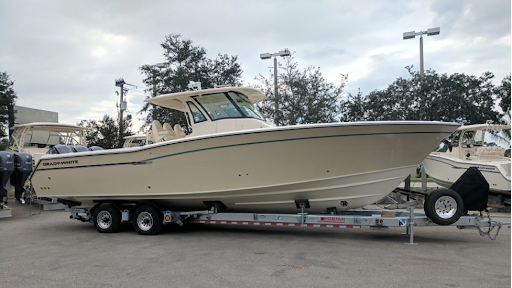
Transporting a boat—whether across the state or internationally—is not as simple as loading it onto a trailer and sending it off. Proper preparation is essential to ensure your vessel arrives safely, avoids damage, and complies with transport regulations. Whether you are working with professional boat shipping companies, or handling parts of the process yourself, preparing your boat correctly can save you time, money, and stress.
In this comprehensive step-by-step guide, we’ll walk you through everything you need to do before your boat is transported.
Why Proper Boat Preparation Matters
Boat transport involves various risks such as road vibrations, weather exposure, and handling during loading and unloading. Without proper preparation, even a small oversight can lead to costly damage.
Proper preparation ensures:
- Safe and secure transport
- Compliance with legal requirements
- Reduced risk of delays
- Lower chances of repair costs
Professional transporters often require boat owners to complete certain preparation steps before pickup.
Step 1: Inspect Your Boat Thoroughly
Before transport, conduct a detailed inspection of your boat. This helps you identify existing damage and document the condition of your vessel.
What to Check:
- Hull condition (scratches, cracks, dents)
- Propellers and rudders
- Electrical systems
- Engine condition
- Interior fixtures
Pro Tip:
Take clear, timestamped photos from multiple angles. These will serve as proof in case of any damage during transit.
Step 2: Clean Your Boat
Cleaning your boat is more important than it seems. Dirt, salt, and debris can hide damage and may even cause issues during transport.
Cleaning Checklist:
- Wash the hull thoroughly
- Remove algae, barnacles, or marine growth
- Clean the interior
- Empty storage compartments
A clean boat also helps transport companies inspect and secure it more effectively.
Step 3: Remove Personal and Loose Items
Loose items can shift during transport and cause damage to your boat or other components.
Items to Remove:
- Personal belongings
- Fishing gear
- Electronics and accessories
- Safety equipment (if not secured)
Anything that is not permanently attached should be removed or properly secured.
Step 4: Secure All Moving Parts
Boats have several components that can move or vibrate during transport. These must be secured to prevent damage.
Key Areas to Secure:
- Hatches and doors
- Windows and windshields
- Antennas and radar arches
- Steering wheel and controls
Use strong straps, padding, or protective covers where necessary.
Step 5: Drain Fluids (If Required)
Many transport companies require certain fluids to be drained for safety reasons.
Fluids to Check:
- Fuel (reduce to 1/4 tank or less)
- Water tanks
- Bilge water
Draining excess fluids reduces weight and minimizes the risk of leaks during transport.
Step 6: Disconnect Batteries and Electrical Systems
To avoid electrical issues or fire hazards, disconnect the battery and secure it properly.
What to Do:
- Turn off all electrical systems
- Disconnect battery terminals
- Secure batteries in place
This step is especially important for long-distance or international transport.
Step 7: Measure Your Boat Accurately
Accurate measurements are crucial for planning transport logistics.
Required Measurements:
- Overall length (including trailer if applicable)
- Width (beam)
- Height (including towers or antennas)
- Weight
Incorrect measurements can lead to delays, additional costs, or permit issues.
Step 8: Check Transport Regulations
Boat transport in the USA is subject to state and federal regulations, especially for oversized loads.
Important Considerations:
- Boats wider than 8.5 feet require permits
- Height restrictions vary by route
- Escort vehicles may be needed
Professional companies handle permits, but you should still be aware of these requirements.
Step 9: Prepare the Trailer (If Applicable)
If your boat is being transported on its own trailer, ensure it is in good condition.
Trailer Checklist:
- Check tire pressure and condition
- Inspect brakes and lights
- Ensure proper alignment
- Grease wheel bearings
A faulty trailer can cause serious delays or accidents during transport.
Step 10: Protect Your Boat for Transit
Protection is key to preventing damage from road debris, weather, and vibrations.
Protection Methods:
- Use shrink wrap or heavy-duty covers
- Add padding to sensitive areas
- Cover sharp edges
Shrink wrapping is highly recommended for long-distance or international transport.
Step 11: Document Everything
Documentation is essential for both legal and insurance purposes.
Important Documents:
- Boat registration
- Insurance papers
- Bill of sale (if applicable)
- Transport agreement
Keep both digital and physical copies for easy access.
Step 12: Choose a Reliable Transport Company
Selecting the right company is just as important as preparing your boat.
When working with professional boat shipping companies, make sure they offer:
- Proper licensing and insurance
- Experience with your type of boat
- Transparent pricing
- Positive customer reviews
A reputable company will guide you through the preparation process and ensure everything is handled professionally.
Step 13: Communicate Clearly with the Transporter
Clear communication helps avoid misunderstandings and ensures a smooth process.
Discuss:
- Pickup and delivery timelines
- Special handling requirements
- Insurance coverage
- Contact details for updates
Stay available in case the transporter needs additional information.
Step 14: Final Pre-Transport Checklist
Before handing over your boat, go through a final checklist:
- Boat cleaned and inspected
- Loose items removed
- Parts secured
- Fluids checked
- Battery disconnected
- Documentation ready
Doing a final walkthrough ensures nothing is overlooked.
Common Mistakes to Avoid
Even experienced boat owners can make mistakes when preparing for transport.
Avoid These Errors:
- Leaving fuel tank full
- Forgetting to secure antennas or towers
- Not documenting the boat’s condition
- Choosing unverified transport companies
- Ignoring size and permit requirements
Avoiding these mistakes can save you from unnecessary stress and expenses.
Tips for a Smooth Boat Transport Experience
- Book transport in advance, especially during peak seasons
- Be flexible with pickup and delivery dates
- Verify insurance coverage
- Keep communication open with the transporter
Proper planning and preparation go a long way in ensuring a hassle-free experience.
Conclusion
Preparing your boat for transport is a critical step that should never be overlooked. From inspection and cleaning to securing parts and choosing the right transport company, every step plays a role in ensuring your boat reaches its destination safely.
By following this step-by-step guide, you can minimize risks, avoid delays, and protect your investment. Whether you’re moving your boat locally or across international waters, working with trusted professionals and taking the time to prepare properly will make all the difference.