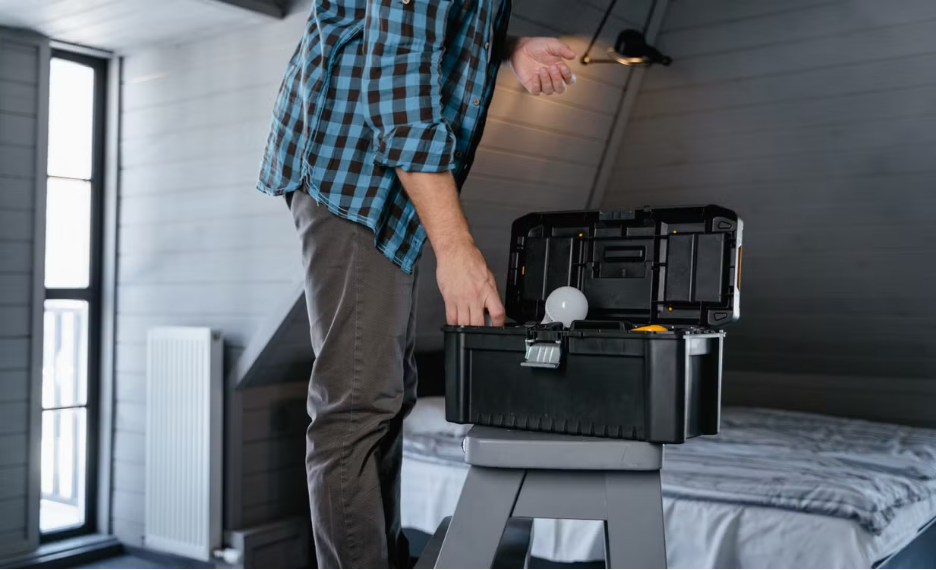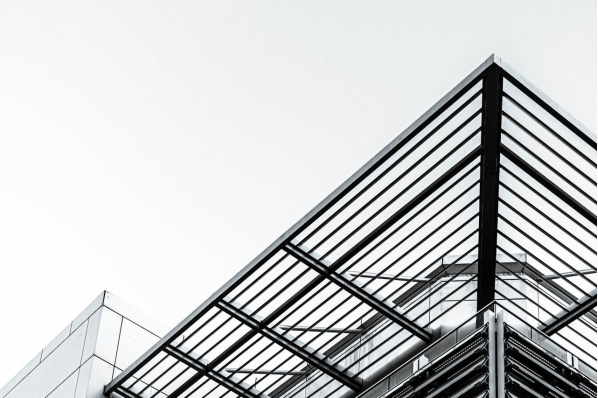
A commercial building rarely shows its age all at once. Instead, small signs of wear tend to appear gradually. A minor crack may develop in one area, a surface may begin to deteriorate elsewhere, or equipment may become less efficient than it once was. Individually, these issues may seem insignificant, but collectively they shape the long-term condition of a property.
In regions such as Dallas-Fort Worth, where commercial properties are exposed to varying weather conditions throughout the year, the effects of environmental exposure can accumulate steadily. Heat, storms, moisture, and constant use all place demands on a building’s systems and structure.
A fix-small-problems-before-they-grow approach is often one of the most effective ways to protect a commercial asset. Buildings that receive consistent attention are generally better positioned to serve tenants, customers, and employees for many years.
A longer building lifespan is rarely the result of luck. More often, it is achieved through planning, maintenance, and informed decision-making.
The Biggest Problems Usually Start Small
Many expensive repairs begin with issues that initially seem minor. Water intrusion, material deterioration, and equipment strain often develop slowly before becoming noticeable.
Roofing systems provide a useful example. Because they are constantly exposed to weather, they experience ongoing stress that can affect performance over time. When recurring concerns begin to emerge, property owners should work with reliable DFW commercial roofing services to make sure potential problems are identified before larger issues develop.
The same principle applies throughout the building. Small concerns that are addressed promptly are often easier and less expensive to manage.
For example, a property manager may notice drainage issues near an exterior wall and resolve them before moisture causes more extensive damage. Another building owner may replace aging components before operational disruptions occur.
Would most owners prefer a planned maintenance project or an unexpected repair that interrupts business activities? The answer is usually clear.
Extending a building’s lifespan often begins with paying attention to details that others may overlook.
Maintenance Is An Investment, Not An Expense
Commercial buildings are expected to support daily operations consistently. To accomplish that goal, maintenance should be viewed as part of a long-term strategy rather than a short-term cost.
When systems are maintained regularly, performance is often improved and deterioration may be slowed. This approach allows property owners to address issues while they remain manageable.
Neglected maintenance frequently creates a different outcome. Minor deficiencies can affect neighboring systems, increasing both complexity and repair costs.
The value of preventive maintenance extends beyond physical repairs. Building occupants often benefit from safer and more comfortable environments when facilities are maintained properly.
A property that receives regular attention is often more resilient when unexpected challenges arise.
The Areas That Deserve Regular Attention
Certain parts of a commercial building experience more wear than others and should be evaluated consistently.
Important areas include:
- Roofing systems exposed to weather throughout the year.
- Drainage systems responsible for controlling water flow.
- Exterior walls and cladding materials.
- HVAC equipment that supports indoor comfort.
- Windows and entry systems subject to daily use.
- Parking areas, walkways, and surrounding infrastructure.
These components work together to support building performance. When one area begins to fail, additional stress may be placed on other systems.
Routine inspections can help identify developing concerns before they become larger liabilities. Even simple observations may reveal warning signs that deserve further attention.
Have you ever noticed how a small maintenance issue often affects more than the area where it first appeared? Commercial properties operate in much the same way.
Functionality Supports Long-Term Value
A building’s lifespan is influenced not only by structural integrity but also by how effectively the property supports its intended purpose.
Functionality affects tenant satisfaction, operational efficiency, and overall usability. When spaces remain practical and adaptable, they often retain value more effectively.
This principle applies to both large systems and smaller design decisions. Features such as efficient layouts, updated workspaces, and even thoughtful additions like custom furniture can contribute to a more functional environment that supports daily operations.
For example, one company may reorganize interior spaces to improve workflow. Another may upgrade common areas to better serve employees and visitors. While these projects may not directly affect structural systems, they contribute to the building’s overall usefulness.
A property that remains functional is often more likely to remain relevant.
Would a building continue delivering value if it no longer supported the needs of its occupants effectively? Long-term success usually depends on maintaining both physical condition and practical usability.
Planning Today Prevents Disruption Tomorrow
One of the most effective ways to extend the lifespan of a commercial building is to think beyond immediate needs. Too often, maintenance decisions are made only after a problem becomes impossible to ignore. While reactive repairs are sometimes necessary, proactive planning often produces better outcomes.
Building systems age at different rates, and understanding those timelines allows property owners to prepare rather than react. Budgeting for future upgrades, scheduling inspections, and documenting previous repairs can provide valuable insight into the overall condition of a property.
Forward planning also helps businesses avoid interruptions that affect tenants, employees, or customers. When maintenance is anticipated rather than rushed, projects can often be completed with less disruption and greater efficiency.
A commercial building is a long-term commitment. The more intentionally its future is planned, the better positioned it will be to perform reliably for years to come.
Longevity Comes From Consistent Decisions
Commercial buildings are long-term assets, but their lifespan is shaped by everyday decisions. Maintenance schedules, inspection routines, repair priorities, and improvement strategies all contribute to future outcomes.
No single project guarantees longevity. Instead, long-term performance is often achieved through a series of consistent actions that protect the property from unnecessary deterioration.
When maintenance is approached proactively, building owners are often able to reduce disruptions, manage costs more effectively, and preserve property value. The benefits may not always be visible immediately, but they accumulate steadily through the years.
A commercial building is constantly responding to weather, usage, and time itself. By giving attention to the systems and structures that support daily operations, owners place their properties in a stronger position for the future.
The buildings that last the longest are often the ones that receive thoughtful care long before major problems appear.