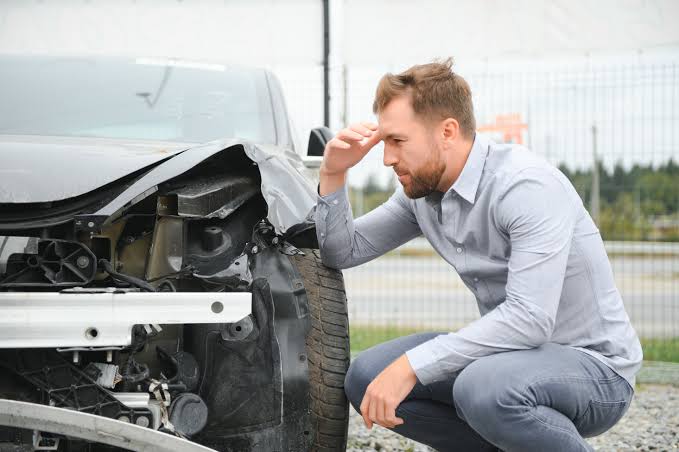
A car accident in Las Vegas can turn an ordinary day into a confusing series of medical appointments, insurance calls, repair estimates, and difficult decisions. Whether a collision happens on the Strip, near an I-15 interchange, in a busy intersection, or on a neighborhood road, the steps taken immediately afterward can affect both recovery and a potential injury claim.
Many people assume that the insurance process will take care of everything. In reality, important evidence can disappear, symptoms may develop gradually, and insurers may ask questions that affect how they evaluate responsibility. Knowing what to do after a crash helps you protect your health, preserve useful information, and make informed choices without rushing into a settlement.
1. Check for Immediate Safety and Call for Help
After a collision, pause before moving around. Turn on your hazard lights if possible and look for immediate dangers such as traffic, fire, leaking fuel, broken glass, or unstable vehicles. If anyone has severe pain, difficulty breathing, heavy bleeding, loss of consciousness, or another emergency symptom, call 911 immediately.
Nevada law requires drivers involved in certain crashes to stop and remain at the scene, provide identifying information, and render reasonable assistance when someone is injured. The safest approach is to contact emergency services and follow the instructions of responding personnel. Do not place yourself or another injured person in greater danger by attempting to move someone unnecessarily.
If the vehicles can be moved safely and there is no serious injury requiring the scene to remain undisturbed, moving them away from active traffic may reduce the risk of another collision. Still, take photographs of the vehicles and roadway first if you can do so safely. Safety should always come before collecting evidence.
2. Report the Collision and Exchange Information
Call the appropriate law-enforcement agency even when the crash initially appears minor. A police report can document the location, visible damage, statements, road conditions, and the identities of the people involved. Be truthful and concise when speaking with officers. Avoid guessing about speed, fault, or the extent of an injury.
Exchange basic information with the other driver, including names, telephone numbers, addresses, driver’s-license details, license-plate numbers, and insurance information. If there are witnesses, ask for their names and contact details. A witness who leaves the scene may be difficult to identify later, so record the information promptly.
Nevada’s official SR-1 traffic-accident form states that a report generally must be submitted to the Nevada Department of Motor Vehicles within 10 days when a crash in Nevada was not investigated by law enforcement and involved injury, death, or apparent property damage of $750 or more. Reporting requirements can depend on the facts of the collision, so review the official instructions carefully and do not assume that calling the police automatically satisfies every DMV filing obligation.
3. Obtain Medical Care, Even If Pain Seems Mild
Adrenaline can temporarily mask pain after a crash. Headaches, neck stiffness, back pain, numbness, dizziness, and emotional distress may become more noticeable hours or days later. A medical evaluation creates an opportunity to identify injuries early and gives you a record connecting your symptoms to the collision.
Follow the provider’s instructions, attend recommended follow-up visits, and keep copies of bills, prescriptions, test results, work restrictions, and treatment notes. If treatment is difficult to afford, ask the provider about available payment arrangements or speak with a qualified professional about possible options. Do not stop treatment simply because an insurance adjuster suggests that you are already well enough.
You should also describe all symptoms accurately. Some people minimize pain because they do not want to appear dramatic, while others assume a symptom is unrelated. Let a healthcare professional evaluate the condition rather than making that judgment yourself.
4. Document the Scene and Your Recovery
Photos and notes can preserve details that may later become difficult to remember. If safe, photograph the vehicles from several angles, the roadway, traffic signals, lane markings, skid marks, debris, visible injuries, and nearby signs. Capture wide views showing the position of the vehicles as well as close-ups of damage.
Create a simple accident file containing the police-report information, insurance correspondence, medical documents, repair estimates, photographs, and a timeline of events. Record the date of each appointment, the symptoms you experienced, the work you missed, and the ways the injury affected ordinary activities. This does not replace professional evidence collection, but it can help organize the facts.
Preserve physical evidence when possible. Do not repair, sell, or dispose of a damaged vehicle before photographs and inspections have been completed unless safety or practical necessities require it. Ask the repair shop to preserve replaced parts if those parts may help explain how the collision occurred.
5. Be Careful When Speaking With Insurance Companies
Notify your own insurer according to the terms of your policy, but keep the initial report factual. Provide the basic details needed to open a claim, such as the date, location, vehicles involved, and whether medical attention was requested. You do not need to speculate about fault or provide a complete narrative before you understand the situation.
An opposing insurer may contact you quickly and request a recorded statement or a broad medical authorization. The adjuster may be courteous and professional, but the insurer’s goal is to evaluate and resolve its financial exposure. Before giving a recorded statement, signing a release, or accepting a settlement, consider obtaining legal guidance.
Never post accident photographs, arguments about fault, or detailed recovery updates on social media. Even an innocent post can be taken out of context. Review privacy settings, avoid discussing the claim publicly, and direct detailed questions to your attorney or another qualified adviser.
If you are looking for information about evaluating an injury claim, a Las Vegas car accident lawyer can explain how evidence, medical records, lost income, and insurance coverage may fit together. A consultation can also help you understand which communications are routine and which documents deserve careful review.
6. Understand the Main Categories of Potential Compensation
The value of an injury claim is not determined solely by the vehicle’s repair bill. Depending on the facts and available evidence, damages may include economic losses and non-economic harm. A claimant may need to show that the losses were caused by the accident and are legally recoverable.
| Potential loss | Examples of supporting information |
| Medical expenses | Hospital bills, physician visits, medication, therapy, diagnostic testing, and future-care opinions |
| Lost income | Pay records, employer statements, missed shifts, and documentation of reduced work capacity |
| Property damage | Repair estimates, photographs, valuation records, and receipts for related expenses |
| Pain and suffering | Treatment history, symptom journals, testimony, and evidence of daily-life limitations |
| Future losses | Medical opinions, vocational evidence, and reliable projections of continuing impairment |
Nevada law can allow recovery for certain damages, but the amount depends on liability, injury severity, medical proof, insurance coverage, and other case-specific factors. Do not assume that an early settlement offer reflects the full cost of future treatment or lost earning ability. Once a release is signed, it may be difficult or impossible to pursue additional compensation for the same accident.
7. Learn How Fault Can Affect a Claim
Nevada follows a modified comparative-negligence rule. Under NRS 41.141, a claimant’s recovery may be reduced in proportion to the claimant’s share of negligence, and recovery is generally barred when the claimant’s negligence is greater than the negligence of the opposing party. In practical terms, an insurer may argue that the injured person was speeding, distracted, failed to use a seat belt, or contributed to the collision in another way.
Fault is not always obvious from the first account of an accident. Traffic-camera footage, vehicle damage, event-data information, witness statements, roadway design, phone records, and expert analysis may all matter. Avoid making public statements that casually accept blame before the evidence has been reviewed.
Comparative negligence does not mean an injured person should hide facts. It means the complete circumstances should be investigated rather than decided by an assumption made at the roadside. Tell your attorney what happened honestly, including details that may seem unfavorable. A lawyer can assess how those facts may affect the claim and what evidence may provide a more complete picture.
8. Watch the Filing Deadlines
Nevada’s limitation statutes establish deadlines for bringing different civil actions. NRS 11.190 generally provides a two-year period for many personal-injury actions and a three-year period for many actions involving injury to or destruction of personal property. The correct deadline can depend on the type of claim, the parties involved, the date the claim accrued, and possible statutory exceptions.
A deadline is not a reason to wait. Investigating a collision may require locating witnesses, obtaining records, inspecting vehicles, reviewing surveillance footage, and understanding the long-term effect of an injury. Starting early gives you more time to collect information and avoid preventable mistakes. Keep a written record of important dates, including the crash date, medical appointments, insurance notices, and communications with potential defendants.
Government entities, minors, wrongful-death claims, and unusual injury circumstances may involve different rules or shorter notice requirements. If your accident involved a public vehicle, defective roadway, commercial carrier, or death, obtain advice promptly rather than relying on the ordinary deadline.
9. Know When Professional Guidance May Help
Not every minor crash requires a lawsuit or extended legal representation. However, speaking with a qualified Nevada personal-injury attorney may be especially useful when there are serious injuries, disputed fault, multiple vehicles, a commercial or rideshare driver, uninsured or underinsured coverage issues, a fatality, a permanent impairment, or pressure to sign documents quickly.
A lawyer may help identify potentially responsible parties, preserve evidence, calculate present and future losses, communicate with insurers, and negotiate from a better-informed position. If a fair resolution is not available, the attorney can explain whether litigation is appropriate and what that process involves. Ask about fees, costs, communication practices, and possible outcomes before deciding whether to hire anyone.
The Paul Powell Law Firm describes its Las Vegas practice as handling car-accident matters and pursuing categories such as medical expenses, lost income, property damage, and pain and suffering. Any firm’s website is only a starting point; prospective clients should discuss their own facts directly with a qualified attorney and verify whether the firm is a suitable fit.
Final Thoughts
The best response after a Las Vegas car accident is deliberate rather than rushed. Get medical attention, report the collision appropriately, preserve photographs and records, communicate carefully with insurers, and avoid accepting blame or signing a settlement before understanding the consequences. Pay attention to Nevada’s fault rules and filing deadlines, especially when injuries are serious or the facts are disputed.
A well-organized record cannot guarantee a particular result, but it can make the claims process clearer and help professionals evaluate what happened. Prompt, informed action gives you the strongest opportunity to protect your health, understand your options, and seek fair treatment after a stressful collision.