Solar Panels TEAS Passage topics appear often in the TEAS (Test of Essential Academic Skills), which evaluates a student’s skills in reading, math, science, and English. In the reading section, real-world subjects like solar energy are commonly used.
Because they connect scientific concepts with practical applications. Understanding how solar panels work is not only valuable for TEAS preparation but also builds strong analytical and technical reading skills. This guide covers everything you need to know about solar panels in a TEAS context.
It including their components, types, functions, benefits, challenges, sample passages, reading strategies, and key vocabulary. With this knowledge, you can approach TEAS reading questions with greater clarity and confidence.
What Are Solar Panels?
A solar panel generates electricity by absorbing energy from the sun. In TEAS reading passages, it is often described in scientific and practical terms. Each panel contains photovoltaic (PV) cells that absorb sunlight and produce direct current (DC) electricity.
Because most homes and businesses use alternating current (AC) electricity, an inverter is used to convert DC into AC, making the electricity usable for everyday applications. Solar panels are an example of renewable energy technology.
It means they rely on a naturally replenishing source—sunlight. Unlike fossil fuels, sunlight is sustainable and abundant, making solar panels a crucial topic in discussions about environmental protection, energy efficiency, and green technology.
Main Components of Solar Panels
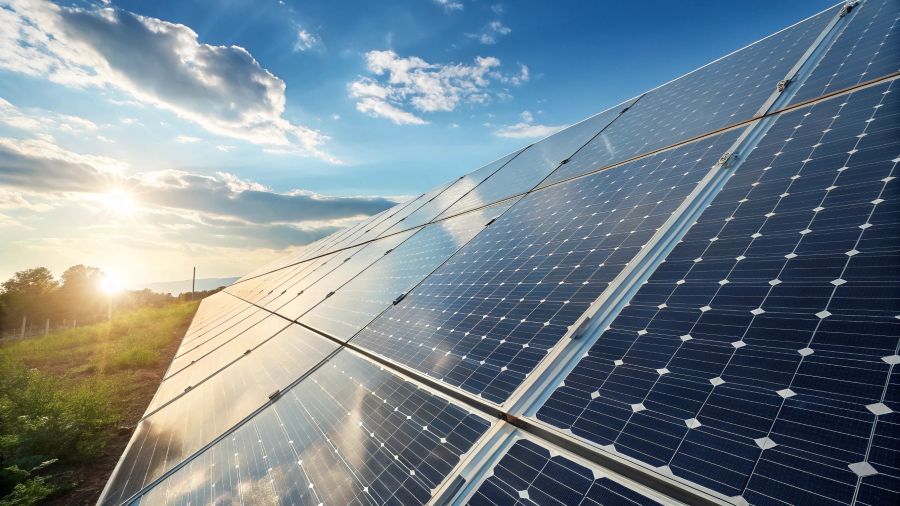
Understanding the key parts of solar panels is important for TEAS comprehension questions, which often test detail recognition and technical understanding.
Photovoltaic (PV) Cells
These are the core elements of a solar panel. PV cells convert sunlight into electrical energy using the photovoltaic effect. TEAS passages may describe how electrons are freed from atoms to generate electricity.
Glass Layer
This protective layer shields PV cells from external elements such as rain, dust, hail, or extreme temperatures. Recognizing this detail helps answer questions on durability or structural features.
Frame
Provides physical support and ensures the solar panel remains rigid and secure. TEAS questions may ask about function or reasoning behind including a frame.
Inverter
Converts the DC electricity generated by PV cells into AC electricity. Understanding the inverter’s role is crucial for technical comprehension questions.
Wiring
Connects solar panels to homes, businesses, or the power grid. In TEAS passages, wiring is often mentioned in relation to energy flow and electricity delivery.
Types of Solar Panels
TEAS passages may also include comparisons of different types of solar panels, testing detail recognition, comprehension, and inferencing skills.
Monocrystalline Solar Panels
- Constructed from a single silicon crystal.
- High efficiency, meaning they generate more electricity per unit of sunlight.
- Longer lifespan compared to other panels.
- More expensive but space-efficient, making them ideal for rooftops with limited area.
Polycrystalline Solar Panels
- Made from multiple silicon crystals.
- Moderate efficiency, cost-effective for larger installations.
- Slightly less efficient in limited space.
- Often described as “blue” panels in passages to differentiate from black monocrystalline panels.
Thin-Film Solar Panels
- Made from flexible, lightweight materials.
- Easier and cheaper to install.
- Lower efficiency and shorter lifespan than crystalline panels.
- Often used in portable solar devices or large-scale installations where space is not a constraint.
Understanding these differences allows test-takers to answer comparison and classification questions, which frequently appear in TEAS reading sections.
How Solar Panels Work
The operation of solar panels is based on the photovoltaic effect, which TEAS passages may describe using simplified scientific language.
Sunlight strikes PV cells, causing electrons to move and produce DC electricity. This electricity is then converted to AC by an inverter, ready to power homes, schools, and offices.
Energy Conversion Process:
- Sunlight hits the PV cells.
- Electrons are released, generating DC electricity.
- The inverter converts DC to AC electricity.
- Electricity is distributed to buildings or stored for later use.
Factors Affecting Solar Panel Efficiency:
- Sunlight intensity: Less sun reduces output.
- Climate: High temperatures may slightly lower efficiency, while cloudy conditions reduce energy production.
- Shading or debris: Dust, leaves, or nearby structures can block sunlight.
- Quality and type of panels: Advanced materials produce more energy efficiently.
Recognizing these factors helps test-takers answer cause-and-effect questions often featured in TEAS passages.
Benefits of Solar Panels
TEAS passages often highlight advantages of solar energy, which may include environmental, economic, and social factors:
- Renewable Energy Source: Sunlight will never run out, unlike fossil fuels.
- Reduced Energy Costs: Over time, solar panels lower electricity bills.
- Environmental Protection: Solar energy reduces greenhouse gas emissions and reliance on non-renewable energy.
- Energy Independence: Solar panels decrease dependence on centralized electricity grids.
- Government Incentives: Tax credits, rebates, and subsidies encourage installation, making solar panels more accessible.
Test-takers should be ready to identify these benefits in multiple-choice or detail-based questions.
Challenges of Solar Panels
Understanding limitations is equally important, as TEAS passages often present both benefits and drawbacks:
- High Initial Cost: Installation requires significant upfront investment.
- Weather Dependence: Efficiency declines during cloudy, rainy, or snowy days.
- Space Requirements: Large roof areas or open land are needed.
- Maintenance Needs: Panels require periodic cleaning and occasional repairs to maintain efficiency.
Recognizing challenges ensures test-takers can answer balanced comprehension questions or those involving reasoning and inference.
Sample TEAS Passage
Solar Panels TEAS Passage examples often describe how solar panels work in simple, informative language. A solar panel absorbs sunlight and converts it into electrical energy. Each panel contains photovoltaic cells that generate direct current (DC) electricity.
An inverter then changes this DC power into alternating current (AC), making it suitable for homes and businesses. Solar energy is renewable and can help reduce monthly electricity costs. However, installation expenses can be high, and a panel’s efficiency often depends on weather conditions.
Many government programs offer incentives to encourage solar adoption. With ongoing advancements in technology, solar panels continue to become more efficient and more accessible for both residential and commercial use.
TEAS Reading Strategies
Identify Main Ideas
Solar Panels TEAS Passage questions often begin by testing your ability to recognize the central idea. Focus on the main message rather than getting lost in smaller details. The main idea is commonly stated in the introduction or conclusion.
Look for Supporting Details
Supporting details—such as examples, explanations, or statistics—help you understand and answer detail-based questions. These details strengthen the passage’s main point.
Notice Important Keywords
Signal words like “however,” “because,” “therefore,” and “although” help you understand relationships between ideas. These words are especially important when answering contrast, cause-and-effect, or conclusion questions.
Practice Inference Questions
Some Solar Panels TEAS Passage questions require you to infer information that is not directly stated. Pay attention to hints, implications, and subtle clues within the text.
Take Notes or Highlight Key Information
While practicing, underline or highlight important terms, facts, or transitions. This improves comprehension, helps you retain information, and increases reading speed on test day.
Common Vocabulary in Solar Panel Passages
- Photovoltaic: Related to converting sunlight into electricity.
- Inverter: Device that changes DC electricity into AC electricity.
- Efficiency: A measure of how well a device converts energy.
- Renewable: Energy that comes from naturally replenished sources.
- Subsidy / Incentive: Financial aid to encourage adoption of solar technology.
Familiarity with these terms ensures better understanding of TEAS passages and reduces time spent deciphering technical language.
Real-World Applications of Solar Panels
TEAS passages may also include practical examples to make the content relatable:
- Residential Use: Rooftop solar panels help homeowners reduce electricity bills.
- Commercial Use: Offices, factories, and shopping malls install solar systems to cut operational costs.
- Remote Locations: Off-grid areas rely on solar panels for reliable electricity.
- Portable Devices: Solar-powered chargers, lights, and gadgets for everyday use.
Understanding applications can help answer inference and application-based questions.
Tips for Improving TEAS Reading Score
- Practice Regularly: Read TEAS-like passages on science and technology topics.
- Summarize Passages: Write short summaries of main points to reinforce understanding.
- Use Context Clues: Infer meanings of unfamiliar terms from surrounding sentences.
- Time Management: TEAS passages are timed; practice pacing your reading.
- Review Mistakes: Analyze incorrect answers to improve comprehension skills.
Conclusion
Mastering solar panels TEAS passages helps strengthen reading comprehension, critical thinking, and real-world understanding. By learning the components, types, functions, benefits, challenges, vocabulary, and practical applications of solar panels, test-takers can confidently approach TEAS reading questions. Consistent practice, focus on main ideas, and awareness of supporting details and keywords will improve both accuracy and efficiency, ultimately boosting your reading section score.
FAQs
1. What Is a Solar Panels TEAS Reading Passage?
A solar panels TEAS passage is a short, informative reading text about solar energy used to evaluate comprehension and critical reading skills in the TEAS exam.
2. Why Are Solar Panels Topics Included in TEAS Passages?
Solar panels are a real-world, educational topic that helps TEAS test-takers practice understanding technical information, analyzing details, and making inferences.
3. How Can I Practice Solar Panels TEAS Passages Effectively?
You can practice by reading sample solar panels passages, answering comprehension questions, summarizing main ideas, and reviewing key vocabulary and concepts.
4. What Are the Different Types of Solar Panels Mentioned in TEAS Passages?
Common types include monocrystalline, polycrystalline, and thin-film solar panels, which may appear in TEAS reading questions to test detail recognition and comparison skills.
5. What Are the Best Strategies to Answer Solar Panels TEAS Questions?
Focus on identifying main ideas, supporting details, context clues, and keywords. Look for relationships such as cause and effect, comparisons, and technical terms in solar energy passages.