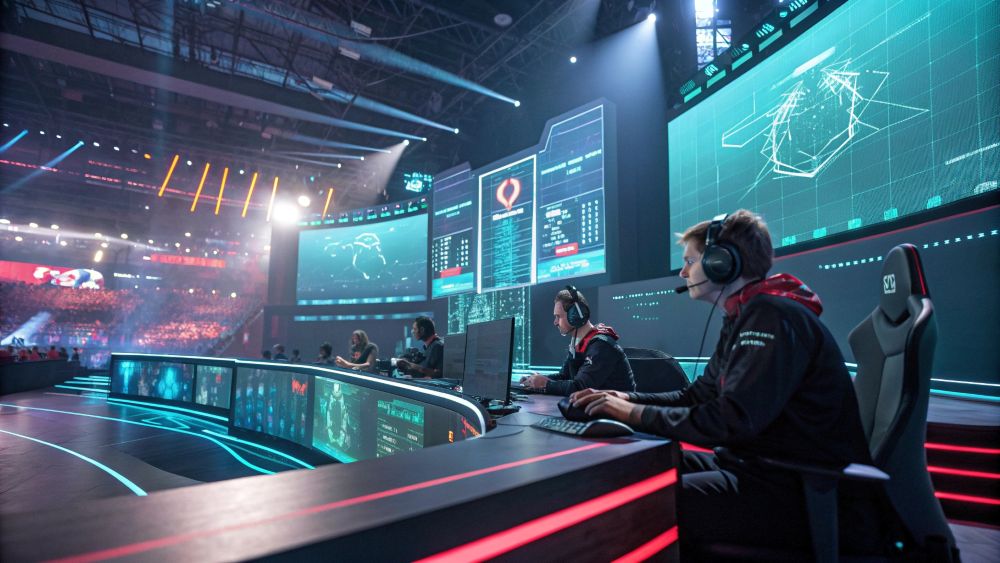
Esports has rapidly transformed from casual online competition into a highly professional, data-driven global industry. Today’s competitive gaming environment is no longer defined by raw reflexes alone.
Instead, success depends on strategy, coordination, analytics, and intelligent systems working together in harmony. This evolution has given rise to a powerful emerging concept known as the esports harmonicode scene.
The esports harmonicode scene represents a modern approach to competitive gaming where code, data, artificial intelligence, and human skill synchronize to create balanced, efficient, and optimized gameplay.
It reflects how esports teams, developers, and analysts use structured data systems to enhance performance, improve decision-making, and gain a competitive edge. As esports continues to grow, the harmonicode scene is becoming a defining factor in how games are played, analyzed, and mastered at the highest level.
What Is the Esports Harmonicode Scene?
Understanding the Meaning of Harmonicode in Esports
The term “harmonicode” blends two powerful ideas: harmony and code. In esports, it refers to the systematic alignment of game mechanics, player behavior, and analytical systems.
Rather than relying on guesswork or instinct alone, harmonicode focuses on creating balance and rhythm through data-driven insights.
In simple terms, the esports harmonicode scene is about making every action—movement, strategy, timing, and teamwork—work together seamlessly using technology and analytics.
Why the Harmonicode Concept Matters
Competitive esports is increasingly complex. Matches generate massive amounts of data, including player movements, reaction times, positioning, and tactical decisions.
Harmonicode frameworks help convert this raw data into meaningful insights that teams can use to improve coordination and performance. This approach allows esports teams to play smarter, not just faster.
The Evolution of Competitive Gaming Toward Data Harmony
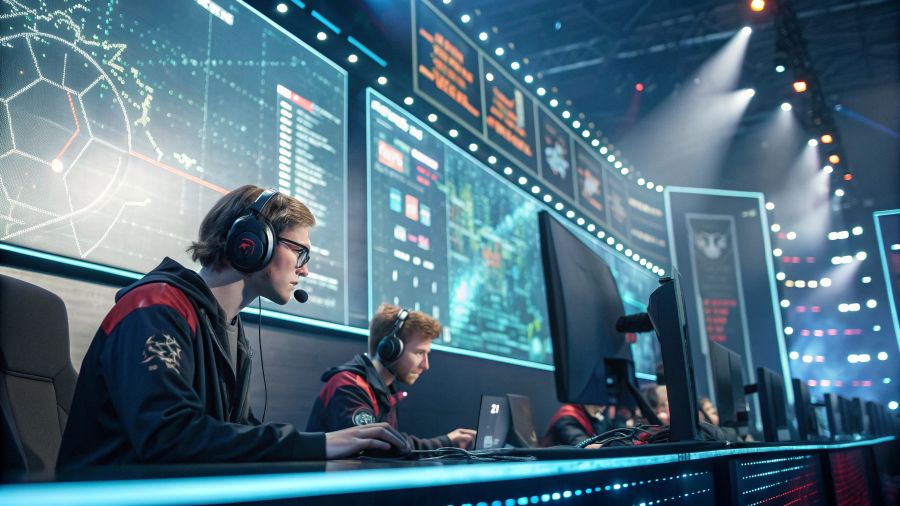
From Mechanical Skill to Intelligent Play
In the early days of esports, mechanical skill and quick reactions were the primary measures of success. While these elements remain important, modern competitive gaming now emphasizes strategic intelligence and adaptability.
The esports harmonicode scene reflects this shift by focusing on:
- Game data interpretation
- Pattern recognition
- Tactical synchronization
- Long-term performance optimization
Winning today requires understanding both the game and the data behind it.
The Rise of Data-Driven Esports Ecosystems
Modern esports matches produce thousands of data points every second. These include in-game statistics, player positioning, resource usage, and timing efficiency.
Harmonicode systems organize this information to reveal trends, weaknesses, and opportunities. This data harmony allows teams to evolve continuously and stay ahead of the competition.
Role of Artificial Intelligence in the Esports Harmonicode Scene
AI as a Strategic Tool
Artificial intelligence plays a central role in the esports harmonicode scene. AI systems analyze gameplay patterns, predict opponent behavior, and recommend strategic adjustments.
These systems can process information far faster than humans, giving teams a significant strategic advantage.AI-driven esports analytics help teams:
- Identify optimal strategies
- Reduce reaction delays
- Improve tactical decision-making
- Adapt to changing game metas
Real-Time Analytics and Performance Monitoring
AI tools also enable real-time performance tracking during matches. Metrics such as accuracy, movement efficiency, and response timing are constantly monitored.
This allows coaches and analysts to provide immediate feedback and make data-informed decisions mid-game. This level of insight was unimaginable in traditional competitive gaming.
How Professional Esports Teams Use Harmonicode Systems
Strategic Team Coordination
At the professional level, esports success depends heavily on teamwork. Harmonicode systems help teams synchronize player roles, rotations, and objectives.
Every action is measured and optimized to support the overall team strategy. This structured coordination reduces mistakes and improves consistency across matches.
Match Preparation and Tactical Planning
Before tournaments, teams analyze past matches using harmonicode-based tools. These systems break down:
- Opponent strategies
- Playstyle tendencies
- Common mistakes
- Meta-game trends
The result is a detailed strategic blueprint that guides in-game decisions and preparation.
Player Performance Optimization Through Harmonicode
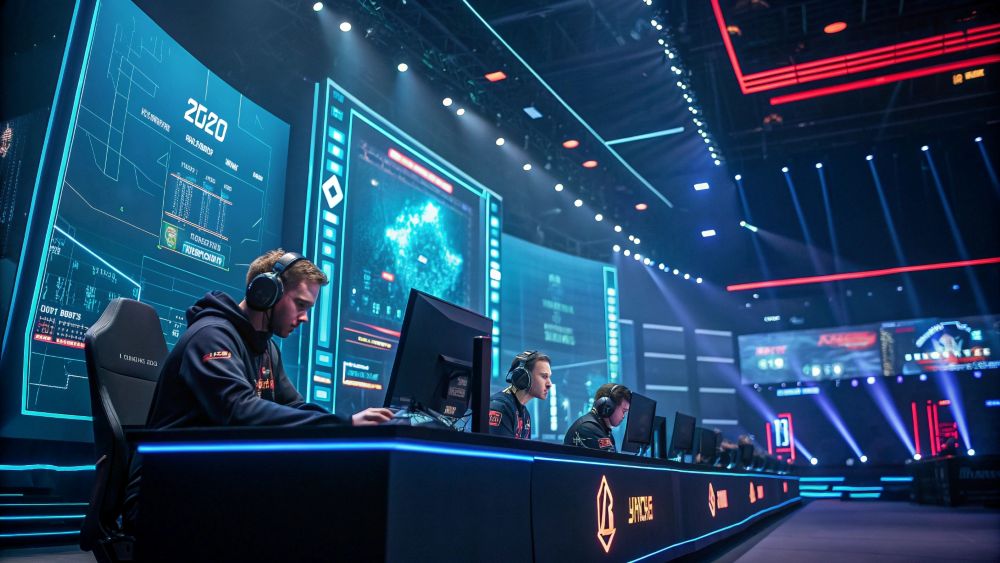
Individual Skill Development
Harmonicode systems don’t just benefit teams—they also help individual players improve. By analyzing personal gameplay data, players can identify strengths and weaknesses with precision.
Common insights include:
- Reaction speed patterns
- Aim consistency
- Decision-making efficiency
- Positional awareness
This allows players to train smarter and improve faster.
Mental Focus and Cognitive Balance
The esports harmonicode scene also addresses mental performance. Competitive gaming is mentally demanding, and stress can negatively impact results.
Advanced analytics help monitor cognitive load, focus levels, and fatigue patterns. Maintaining mental harmony is now considered just as important as mechanical skill.
Impact of the Esports Harmonicode Scene on Game Meta
Data-Driven Meta Evolution
Game metas—the dominant strategies and playstyles—are constantly evolving. Harmonicode analytics accelerate this evolution by identifying which strategies are most effective under current conditions.
As a result:
- Metas change more frequently
- Teams adapt faster
- Competitive balance improves
This keeps esports fresh and challenging for both players and viewers.
Improving Competitive Integrity
The esports harmonicode scene also promotes fairness. Data transparency and performance analytics reduce reliance on subjective judgments. This supports fair competition, consistent evaluations, and stronger tournament integrity.
Technology Powering the Esports Harmonicode Scene
Core Technologies Behind Harmonicode Systems
Several advanced technologies support the esports harmonicode scene, including:
- Machine learning algorithms
- Cloud-based analytics platforms
- Real-time telemetry systems
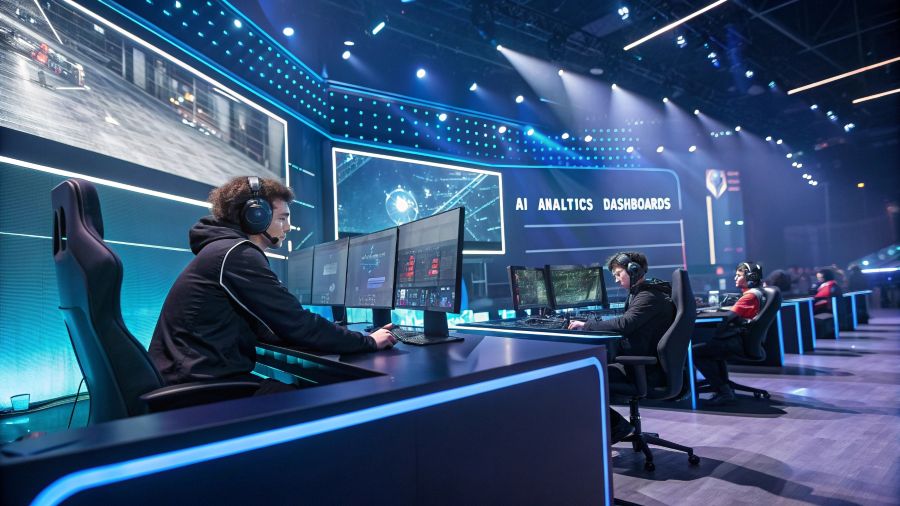
- Performance visualization dashboards
Together, these tools create a connected esports ecosystem.
Integration with Modern Game Engines
Many modern game engines now support advanced data extraction through APIs and plugins. This allows harmonicode systems to analyze gameplay directly from the source, ensuring accuracy and depth. This tight integration enhances both analysis and gameplay optimization.
Challenges and Limitations of Harmonicode Integration
Accessibility and Cost Barriers
While powerful, harmonicode systems are not equally accessible to everyone. Smaller teams and amateur players may struggle with:
- High software costs
- Technical complexity
- Limited analytical expertise
This creates a gap between professional and grassroots esports.
Balancing Data and Creativity
Another challenge is avoiding over-dependence on data. Excessive optimization can reduce creativity and unpredictability.
The most successful teams balance harmonicode insights with human intuition and innovative playstyles. Harmony requires flexibility, not rigid control.
Future Trends in the Esports Harmonicode Scene
AI Coaching and Automation
The future of the esports harmonicode scene may include fully automated AI coaches that provide real-time strategic guidance.
These systems could simulate scenarios, adjust tactics mid-match, and personalize training programs. Such innovations will redefine how teams prepare and compete.
Expansion Beyond Professional Gaming
Harmonicode systems are expected to expand into:
- Amateur leagues
- Esports education platforms
- Streaming and content creation
This wider adoption will make performance analytics more accessible to all players.
Why the Esports Harmonicode Scene Matters for Aspiring Players
Faster Learning and Smarter Growth
For aspiring players, the esports harmonicode scene offers tools to understand the game on a deeper level. Data-driven insights help players improve faster, avoid bad habits, and adapt to competitive environments. This creates a clearer path to professional-level play.
New Career Opportunities in Esports Technology
Beyond playing, the harmonicode scene creates new career paths in:
- Esports data analysis
- AI development
- Performance coaching
- Game analytics engineering
It expands esports beyond the spotlight and into technical innovation.
Final Thoughts:
The esports harmonicode scene represents a major shift in how competitive gaming is played and understood. By combining data, artificial intelligence, and human skill, it creates a balanced and intelligent approach to esports performance.
As technology advances, harmonicode principles will become an essential part of esports culture. Players, teams, and developers who embrace this evolution will shape the next era of competitive gaming.
FAQs About the Esports Harmonicode Scene
What is the esports harmonicode scene?
The esports harmonicode scene refers to a data-driven esports environment where AI, analytics, and coding systems work together to improve gameplay strategy, team coordination, and overall performance.
Is harmonicode a real technology used in esports?
Harmonicode is a conceptual term built on real esports technologies such as AI analytics, machine learning, performance tracking software, and strategic optimization tools.
Do professional esports teams use harmonicode systems?
Yes, many professional esports teams use data-driven performance analysis and AI-powered tools that align closely with harmonicode-based principles.
Can beginners benefit from the esports harmonicode scene?
Beginners can benefit greatly by using harmonicode insights to understand game mechanics, esports meta trends, and performance improvement strategies more quickly.
Is the esports harmonicode scene shaping the future of gaming?
Yes, the esports harmonicode scene is shaping the future of competitive gaming by combining technology, data harmony, and intelligent gameplay systems.