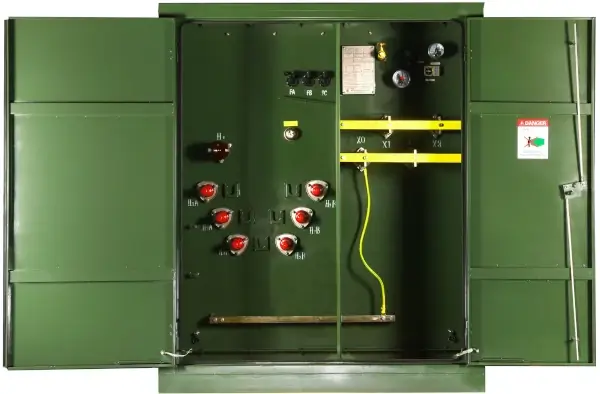
Modern commercial buildings rely on stable and efficient electrical systems to operate smoothly. From shopping malls and hospitals to office towers and data centers, reliable power distribution plays a critical role in daily operations. One of the most important components that supports this infrastructure is the 3 phase pad mount transformer. Designed for underground electrical distribution systems, this equipment safely converts high voltage electricity into usable levels for commercial facilities.
Unlike traditional pole mounted transformers, pad mounted units are installed on ground level within secure enclosures. Their compact design, high capacity, and safety features make them ideal for modern urban environments. As commercial infrastructure continues to expand and become more energy intensive, these transformers have become essential for delivering consistent power while maintaining safety, reliability, and efficiency.
Understanding 3 Phase Pad Mount Transformers
A 3 phase pad mount transformer is a ground mounted electrical device used to step down medium voltage electricity to lower voltages suitable for commercial or industrial use. It is typically enclosed in a locked steel cabinet and installed on a concrete pad.
These transformers are connected to underground power distribution networks, making them ideal for locations where overhead electrical lines are undesirable or impractical.
Key characteristics
• Designed for three phase electrical distribution systems
• Installed at ground level on concrete pads
• Connected to underground electrical cables
• Enclosed in tamper resistant steel cabinets
• Engineered to handle large electrical loads
Because many commercial facilities require large and stable power supplies, three phase systems are commonly used instead of single phase systems. The transformer ensures voltage is converted safely and efficiently before electricity reaches the building.
The Role of Three Phase Power in Commercial Buildings
Three phase electrical systems are widely used in commercial infrastructure because they provide higher efficiency and better load handling compared to single phase systems.
In a three phase system, power is delivered through three alternating currents that are offset from each other. This design creates a continuous and balanced flow of electricity, which is ideal for heavy equipment and large buildings.
Benefits of three phase power
• Supports large electrical loads required by commercial equipment
• Provides smoother and more stable power delivery
• Reduces energy losses in transmission
• Allows efficient operation of motors and machinery
• Improves overall electrical reliability
Because commercial infrastructure depends heavily on HVAC systems, elevators, lighting networks, and industrial equipment, three phase electrical distribution is essential for maintaining consistent operations.
Why Pad Mounted Transformers Are Preferred in Commercial Areas
Urban development and modern architectural planning increasingly favor underground electrical distribution. In such systems, pad mounted transformers become a practical solution for safe power conversion.
Unlike pole mounted transformers that are exposed to environmental conditions and physical damage, pad mounted units are built with protective enclosures and installed at ground level.
Advantages of pad mounted transformer systems
• Improved safety due to sealed and locked enclosures
• Reduced visual impact compared to overhead transformers
• Lower risk of damage from storms or falling trees
• Easier integration with underground power networks
• More suitable for high traffic urban areas
Commercial complexes, business parks, and residential communities often choose pad mounted transformers because they provide reliable power without affecting the visual appeal of the area.
Key Components of a 3 Phase Pad Mount Transformer
A 3 phase pad mount transformer contains several internal components that work together to convert electrical voltage safely and efficiently.
Core and winding system
The transformer core is typically made of laminated steel. It provides a magnetic pathway that allows energy transfer between primary and secondary windings.
The windings are insulated copper or aluminum coils that perform the voltage conversion process.
Insulating fluid
Most pad mounted transformers use insulating oil or environmentally friendly fluids. This fluid serves two main purposes.
• It cools internal components during operation
• It provides electrical insulation to prevent faults
Protective housing
The outer cabinet is made from heavy duty steel and includes locking mechanisms. This design prevents unauthorized access and protects internal components from weather exposure.
High voltage and low voltage compartments
Separate compartments inside the enclosure allow safe connection of incoming high voltage lines and outgoing low voltage cables.
This separation enhances safety during installation and maintenance.
Applications in Modern Commercial Infrastructure
3 phase pad mount transformers play a critical role in powering a wide range of commercial facilities. Their ability to handle high electrical loads makes them suitable for diverse industries.
Office buildings and business complexes
Large office buildings require stable power for lighting, computer systems, elevators, and HVAC systems. These transformers ensure that electricity is distributed evenly throughout the facility.
Shopping malls and retail centers
Retail spaces rely on extensive lighting systems, refrigeration units, escalators, and electronic payment systems. A reliable transformer helps maintain uninterrupted operations.
Hospitals and healthcare facilities
Healthcare infrastructure depends on constant electrical supply for medical equipment, imaging devices, and life support systems.
Pad mounted transformers provide dependable voltage conversion to support these critical operations.
Data centers
Data centers require massive amounts of power to run servers, cooling equipment, and networking infrastructure. High capacity transformers help deliver the consistent power needed to avoid downtime.
Industrial parks and manufacturing plants
Manufacturing facilities use heavy machinery and motors that demand three phase power. Transformers ensure the correct voltage levels for safe and efficient operation.
Safety Features of Pad Mounted Transformers
Safety is one of the primary reasons why pad mounted transformers are widely used in commercial areas. These units are designed to minimize risks to both the public and electrical workers.
Tamper resistant enclosures
The cabinets are locked and built with heavy gauge steel to prevent unauthorized access.
Ground level installation
Being installed on the ground reduces risks associated with climbing poles and improves accessibility for maintenance personnel.
Insulated cable connections
Underground cables reduce exposure to weather related damage and accidental contact.
Pressure relief systems
Some transformers include pressure relief devices that prevent internal pressure buildup during electrical faults.
Environmental containment
Modern designs often include containment systems that prevent insulating oil leaks from contaminating surrounding soil.
These safety mechanisms help ensure that transformers operate reliably while protecting people and the environment.
Energy Efficiency and Power Reliability
Commercial buildings require electrical systems that are not only reliable but also energy efficient. Transformers contribute significantly to overall power system performance.
Reduced transmission losses
High quality transformer designs minimize energy losses during voltage conversion.
Stable voltage regulation
Three phase transformers maintain consistent voltage levels, ensuring that sensitive equipment operates correctly.
Support for large electrical loads
Because these transformers handle high capacity power distribution, they prevent overload conditions in commercial electrical networks.
Improved grid performance
Efficient transformers reduce strain on the electrical grid by ensuring power is delivered in a balanced manner.
As energy consumption continues to increase in commercial facilities, efficient transformers become increasingly important for sustainable power management.
Integration with Underground Power Distribution
Modern cities increasingly rely on underground power networks to improve reliability and aesthetics. Pad mounted transformers are designed specifically to support these systems.
Benefits of underground distribution
• Reduced visual clutter from overhead power lines
• Lower vulnerability to weather related damage
• Improved safety in populated areas
• Better compatibility with urban planning
Pad mounted transformers act as the key link between underground medium voltage lines and the electrical systems inside commercial buildings.
This integration allows utilities to deliver power more safely and efficiently in densely populated areas.
Maintenance and Operational Considerations
Although pad mounted transformers are designed for durability, regular maintenance is essential to ensure long term performance.
Routine inspection tasks
• Checking oil levels and fluid quality
• Inspecting bushings and connectors
• Monitoring temperature levels
• Testing electrical insulation
• Verifying protective systems
Utility companies and facility managers typically follow preventive maintenance schedules to detect potential issues before they lead to system failures.
Proper maintenance helps extend the lifespan of the transformer while maintaining electrical safety.
Supporting Future Commercial Infrastructure
As technology evolves and cities become smarter, electrical demand in commercial environments continues to grow. Infrastructure developments such as electric vehicle charging networks, automated buildings, and large scale data processing centers require robust power systems.
3 phase pad mount transformers are well suited to support these expanding demands due to their scalability and high capacity.
Future infrastructure trends supported by transformers
• Smart commercial buildings with automated energy systems
• Expansion of electric vehicle charging infrastructure
• Growth of cloud computing and data centers
• Increased use of renewable energy integration
• Development of smart city electrical networks
These trends indicate that reliable transformer technology will remain a cornerstone of commercial electrical infrastructure.
Conclusion
Reliable power distribution is essential for the functioning of modern commercial infrastructure. From office buildings and hospitals to industrial facilities and data centers, large scale operations depend on stable and efficient electrical systems.
3 phase pad mount transformers play a vital role in this process by safely converting high voltage electricity into usable power for commercial applications. Their ground mounted design, protective enclosures, and compatibility with underground distribution networks make them ideal for modern urban environments.
As commercial infrastructure continues to evolve and energy demands increase, these transformers will remain a critical component in supporting safe, efficient, and dependable electrical distribution systems across industries.