Summer hits a house harder than most people realize. The sun beats down on the roof all day, humidity settles into every crack, and storms roll through without much warning. After a long winter, homes are already carrying wear from snow, ice, and freezing temperatures. In places like Ohio, that back-and-forth weather pattern can leave siding loose, gutters strained, and roofs in rough shape before summer even starts.
That is why exterior upgrades deserve attention before temperatures climb. A few smart improvements can help keep indoor spaces cooler, reduce strain on the AC, and prevent small issues from turning into expensive repairs in the middle of the season.
Let’s talk about the exterior upgrades worth tackling before the hottest days arrive.
Inspect Roofing and Siding
Roofing and siding take a beating in states like Ohio, where winters bring snow, freezing rain, ice buildup, and constant temperature swings. By the time warmer weather arrives, many homes are already carrying damage that is not easy to spot from the ground.
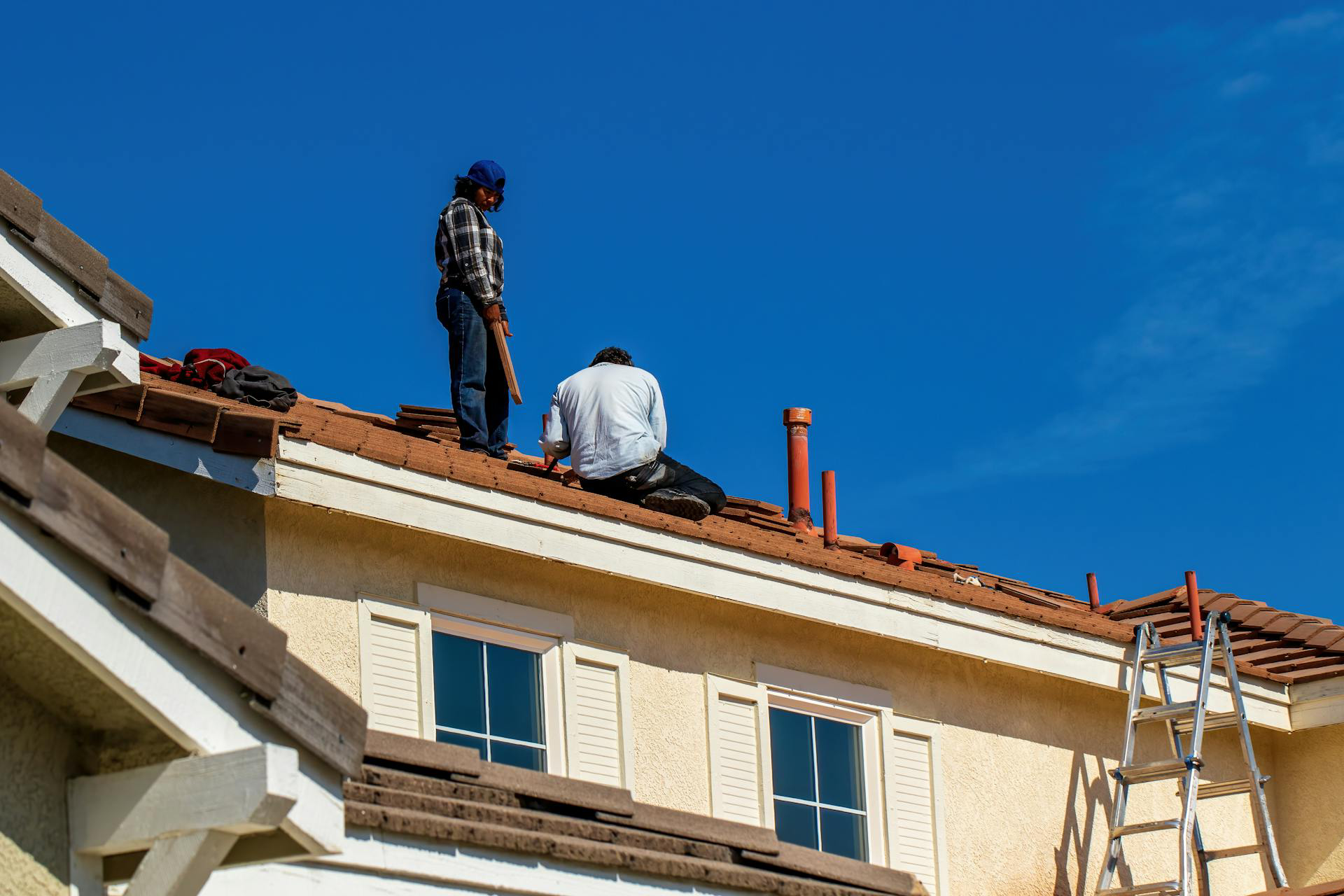
Roofing problems usually show up first around flashing, vents, and roof edges. Shingles loosen during winter storms, moisture slips underneath, and strong sunlight dries materials out faster once temperatures rise.
Siding problems deserve just as much attention. Cracked panels, loose sections, faded areas, and warped boards allow moisture and hot air to move into places they should not reach. Once humidity builds behind damaged siding, stains, mold growth, and trapped moisture become much harder to control. Siding fixes also help the home stay cooler because sealed, secure panels create a stronger barrier against outdoor heat.
This is where a roofing and siding specialist from Ohio becomes valuable. Local professionals understand how regional weather affects homes throughout the year and know where winter damage usually hides. They can spot issues around seams, corners, trim, and under rooflines before those problems grow during the hottest part of summer. Repairs handled early help protect the structure and improve indoor comfort once temperatures start climbing every day.
Refresh Exterior Paint and Protective Coatings
A faded exterior changes the whole feel of a house. Bright summer sunlight makes peeling paint and worn surfaces stand out even more, especially around trim, shutters, and porch railings. Beyond appearance, damaged paint leaves materials exposed to heat, moisture, and surface cracking.
Fresh paint seals surfaces properly and gives the home a cleaner, sharper look. Wood siding benefits the most because direct sunlight dries it out quickly during the summer. Once the protective layer weakens, boards can split or absorb moisture after storms. Brick and concrete surfaces also benefit from protective coatings that help repel water and reduce staining.
Color choice matters more than many homeowners expect. Dark colors absorb a lot of heat during long sunny days, especially on surfaces that face direct afternoon sunlight. Lighter shades reflect more sunlight and help exterior walls stay cooler.
Replace Worn or Drafty Windows
Old windows create problems year-round, but summer heat makes them impossible to ignore. Rooms near aging windows often feel warmer by midday, even when the AC has been running for hours. Thin glass, worn seals, and damaged frames allow heat to move inside constantly, which raises indoor temperatures and energy costs at the same time.
Modern windows solve that problem much more effectively. Better insulation keeps cooled air inside where it belongs, so rooms stay comfortable longer without forcing the system to cycle nonstop. Some newer windows also include coatings that block harsh UV rays, which helps protect flooring, furniture, and curtains from fading under direct sunlight.
Noise reduction becomes another bonus that homeowners notice quickly. Traffic, lawn equipment, and neighborhood sounds stay more muted indoors once stronger window systems are installed. That creates a calmer atmosphere inside, especially during busy summer weekends when windows and patios stay active around the neighborhood.
Install Better Exterior Lighting
Exterior lighting changes how a home feels at night. A dark front entrance or poorly lit walkway creates an unwelcoming look, even when the house itself is beautiful. Summer evenings last longer, which means outdoor lighting gets used far more often this time of year.
Good lighting starts with practicality. Walkways, stairs, and driveways should stay visible after sunset. That reduces the chance of trips and falls while also making guests feel more comfortable arriving at night. Motion-sensor lighting near garages and side entrances adds another layer of security without leaving bright lights running all night.
LED fixtures are usually the smartest option because they stay cooler and use less electricity during long summer evenings. They also last much longer, which cuts down on constant bulb replacements.
Upgrade Landscaping for Summer Conditions
Landscaping starts looking rough fast when summer heat settles in. Grass dries out, plants struggle, and flower beds lose their shape if they are not prepared properly beforehand. A few landscaping updates help the yard handle hotter conditions without needing constant attention every day.
Start with trimming and cleanup. Dead branches, overgrown shrubs, and crowded plants block airflow around the house and make the property feel messy. Once those areas are cleaned up, the yard instantly feels brighter and more open.
Mulch helps more than people realize. It holds moisture in the soil longer, keeps plant roots cooler, and reduces weed growth during the hottest weeks of summer. Fresh mulch also gives landscaping a sharper, cleaner appearance that frames the house nicely.
Upgrade Entry Doors and Garage Doors
Old doors create more problems than most homeowners realize. Worn seals, thin materials, and damaged frames allow heat to move inside constantly during summer. That warm air forces cooling systems to work harder, especially in homes with attached garages.
Entry doors should feel solid and properly sealed. If sunlight is visible around the edges or warm air moves through gaps, the insulation is not doing its job anymore. Replacing an outdated front door improves indoor temperature control while also giving the house a cleaner, updated appearance from the street.
Garage doors matter just as much, particularly when garages connect directly to the house. Thin garage doors trap heat throughout the day and turn the entire space into an oven by late afternoon. Insulated models help regulate temperatures better, which reduces heat transfer into nearby rooms.
A house feels completely different when it is prepared for summer properly. The air inside stays cooler, outdoor spaces become easier to enjoy, and small maintenance issues stop turning into stressful repairs halfway through the season. Those improvements create a home that feels more comfortable from morning to night instead of constantly fighting against heat, humidity, and storm damage.
The best exterior upgrades are the ones that continue working quietly every day and make summer feel far less exhausting for both the home and the people living in it.