Moving away from Atlanta can feel like a major accomplishment. After weeks or months of planning, packing, scheduling, and traveling, you’ve finally arrived. Then reality sets in. Boxes are stacked in every room, daily routines disappear, and even simple tasks take longer than expected because nothing is where it should be.
Many people assume the hardest part of a long-distance move is getting their belongings from one place to another. In many cases, the first week after arrival creates its own challenges. You’re learning a new area, adjusting to a different home, and trying to make hundreds of small decisions at once.
The good news is that you don’t need to tackle everything immediately. A few smart priorities can help you settle in faster and avoid the common mistakes that leave new homeowners feeling overwhelmed long after moving day ends.
Check the House While It’s Still Empty
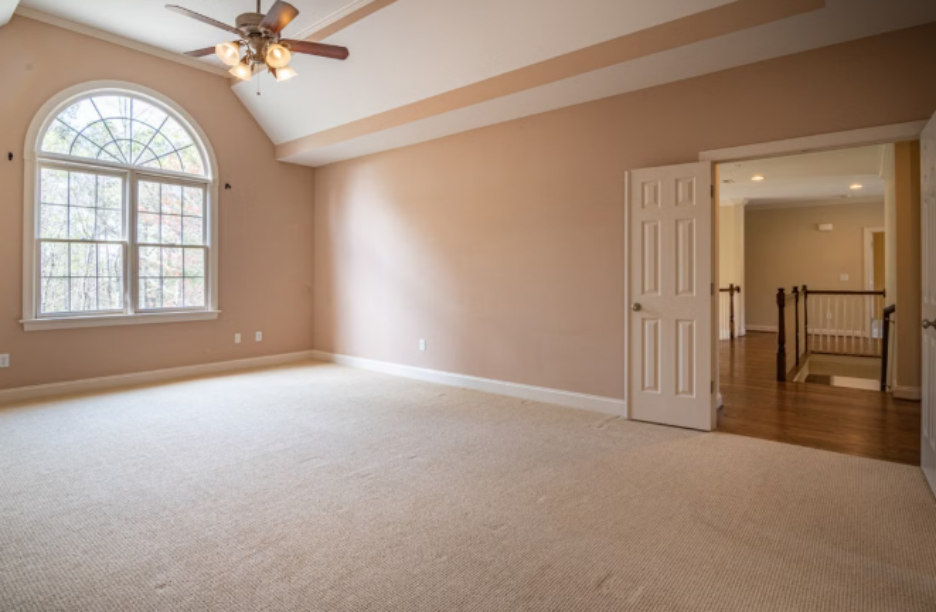
Before you start opening boxes and arranging furniture, spend time walking through the entire house. This is your best opportunity to spot issues that might become harder to notice once rooms are filled.
Open and close every window and door. Turn on faucets and check water pressure. Flush toilets, test appliances, and look for signs of leaks under sinks. Pay attention to details such as loose cabinet doors, damaged flooring, or outlets that don’t work properly.
Take photos of anything that needs repair, even if the problem seems minor. Small concerns can easily get forgotten once unpacking begins. If you’re renting, document these issues and share them with your landlord as soon as possible. A careful walkthrough during your first day can save you from future headaches and help you understand your new home much better, especially after a long-distance relocation planned with the help of experienced Atlanta long distance movers.
Find the Controls Before You Need Them
Many homeowners don’t think about utility systems until something goes wrong. The first week is the ideal time to learn where everything is located.
Find the electrical panel and read the labels. If circuits are not clearly marked, make notes while testing them. Locate the main water shutoff valve and learn how it operates. If your home uses natural gas, identify the gas shutoff location as well.
You should also familiarize yourself with the heating and cooling system. Learn how to change air filters and understand basic thermostat settings. Knowing these details can make a big difference during an emergency or unexpected maintenance issue.
Store important service numbers in your phone and keep any manuals you find in one place. Spending thirty minutes learning these systems now can prevent hours of frustration later.
Focus on Everyday Living Spaces
One of the biggest unpacking mistakes people make is trying to organize the entire house at once. That approach usually creates more mess and more stress.
Start with the rooms you use every day. Set up bedrooms first so everyone has a comfortable place to sleep. Next, focus on bathrooms and the kitchen. These spaces support your daily routine and have the biggest impact on how settled you feel.
You don’t need perfectly organized drawers or fully decorated rooms during the first week. The goal is functionality. Make sure you can prepare meals, take showers, find clothes, and get a good night’s sleep without searching through dozens of boxes.
Once those core spaces are working well, the rest of the home becomes much easier to tackle. Progress feels more manageable when the basics are already in place.
Update Important Records and Accounts
Changing your address involves more than forwarding mail. Several important accounts need updates to ensure you don’t miss documents, bills, or critical notifications.
Start with your bank accounts, insurance providers, employer records, and healthcare providers. If you take prescription medication, locate a nearby pharmacy and transfer prescriptions if necessary. Review any memberships, subscriptions, and delivery services that still use your previous address.
If you’ve moved to a different state, research local requirements for driver’s licenses, vehicle registration, and voter registration. These tasks often have deadlines that are easy to overlook during a busy move.
Create a simple checklist and work through it over several days. A systematic approach reduces the chance of forgetting something important and helps you establish a clean start in your new location.
Create a Simple Inventory Before Boxes Disappear
The first week is a smart time to create a basic home inventory, especially after a long-distance move. You do not need a complicated system. Walk room by room and take clear photos of furniture, electronics, appliances, artwork, jewelry, tools, and other valuable items. Open boxes that contain high-value belongings and document their condition before you store them away. Save receipts, serial numbers, warranties, and moving paperwork in one digital folder. This helps if you ever need to file an insurance claim, request a repair, or prove ownership. If anything arrived damaged, report it quickly and keep photos. Once daily life gets busy, these details become easy to forget.
Learn More About Your New Neighborhood
Your first week should include more than unpacking. Spend time learning the places that affect daily life. Find the closest grocery store, pharmacy, urgent care center, gas station, post office, and hardware store. Drive or walk through nearby streets during different times of day so you understand traffic patterns, school zones, parking rules, and busy intersections. If you moved from Atlanta, your old routines may not fit your new location, so give yourself room to adjust. Try one local coffee shop, restaurant, or park instead of waiting until everything feels settled. Small familiar places help a new area feel easier to navigate.
Handle Safety Tasks Right Away
Security should be one of your first-week priorities. Change exterior door locks if you own the home or ask your landlord about rekeying if you rent. Update garage codes, alarm codes, smart lock access, and any keypad entries. Test smoke detectors and carbon monoxide detectors, then replace batteries if needed. Check outdoor lights near doors, walkways, driveways, and side entrances. If the home has a security system, confirm the monitoring account, emergency contacts, and passcodes. Walk around the property at night to spot dark areas or tripping hazards. These steps take little time, but they help you feel safer and more in control.
The first week in a new home can feel full, especially after moving away from Atlanta and starting over in a different city or state. You do not need to unpack every box or solve every problem immediately. Focus on the things that make daily life work: safety, utilities, important records, basic rooms, local services, and a realistic routine. These steps help you avoid confusion, protect your belongings, and feel more comfortable in your new space. Once the essentials are in place, the rest of the home can come together at a calmer pace.