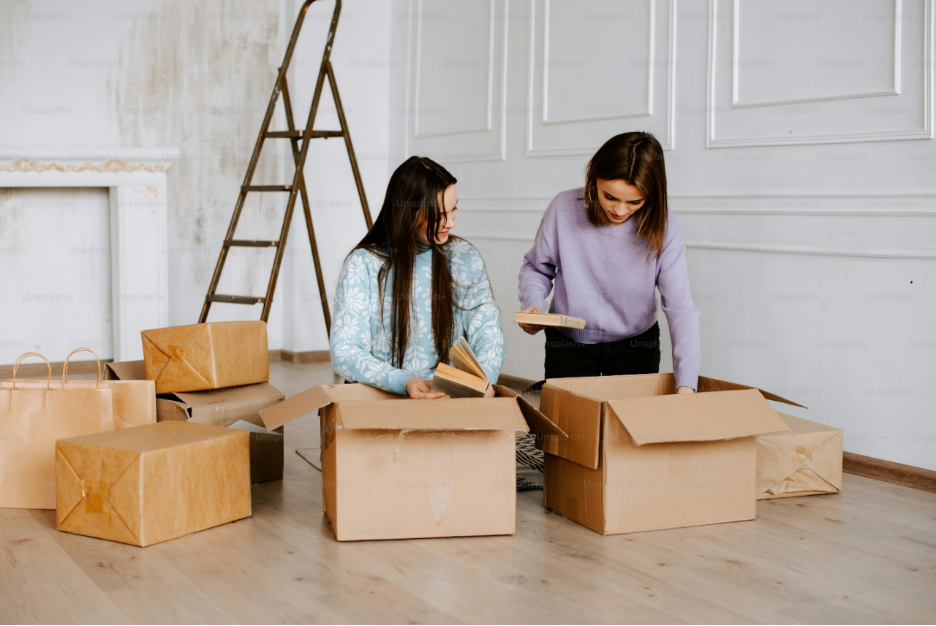
Moving to a new home can be exciting, but it also comes with several responsibilities. Among them, packing is one of the most important tasks because it directly affects the condition of your belongings when they arrive at their destination. Proper packing helps prevent damage, keeps items organized, and makes both loading and unpacking more efficient. Whether you are moving across town or relocating to another state, taking the time to pack correctly can save money and reduce stress.
This is especially important in regions such as South Florida, where residents frequently relocate due to job opportunities, lifestyle changes, and seasonal moves. The area’s growing population and active housing market contribute to a steady demand for residential moving services throughout the year. Regardless of the distance involved, careful packing remains essential for protecting household items from damage during transportation.
Start with a Packing Plan
Successful packing begins long before boxes are filled. Creating a detailed packing plan helps break the process into manageable steps and prevents last-minute rushing. Start by establishing a timeline based on your moving date. Items that are rarely used can be packed first, while everyday essentials should remain accessible until the final days before the move.
It is also helpful to create a room-by-room packing checklist. This makes it easier to track progress and identify what still needs attention. Once you have a clear overview of your belongings, gathering supplies such as boxes, tape, labels, and protective materials becomes more efficient and helps prevent delays. Early preparation is especially important for long-distance moves, which often involve additional handling and longer transit times. As a result, many homeowners seek professional assistance to simplify the process. If you are looking for cross country movers in South Florida, there are many experienced professionals who can help coordinate transportation and manage the logistics of a long-distance move. Combined with a clear packing strategy, professional moving support can make the entire process more organized and less stressful.
Choose the Right Packing Materials
The quality of your packing materials plays a significant role in protecting your belongings. Strong, durable boxes provide better support during transportation and reduce the likelihood of items being crushed or damaged. It is important to select box sizes based on the weight and type of items being packed. Heavy objects should go into smaller boxes, while lighter items can be placed in larger containers.
Protective materials are equally important. Bubble wrap, packing paper, foam inserts, and moving blankets help absorb impact and prevent scratches or breakage. Fragile belongings such as glassware, electronics, and decorative pieces require extra cushioning to remain secure throughout the journey. Investing in quality materials may seem like an added expense, but it can significantly reduce the risk of damage and costly replacements after the move.
Pack Fragile Items with Extra Care
Fragile items need more than a quick wrap before they go into a box. Wrap dishes, glasses, mirrors, and decorative pieces individually with packing paper or bubble wrap. Place heavier, fragile items at the bottom and lighter ones on top to reduce pressure. Taking a few extra minutes during packing can significantly reduce the likelihood of breakage.
Fill empty spaces with soft padding so items do not shift during transport. Towels, foam sheets, and crumpled packing paper can help stabilize the box. Clearly mark each box as fragile and indicate which side should face up.
Declutter Before You Pack
Packing becomes much easier when you reduce the number of items you need to move. Before placing anything into boxes, take time to evaluate your belongings and determine what you truly want to keep. Sort items into categories such as keep, donate, sell, or discard. This process helps eliminate unnecessary clutter and creates a more organized moving experience.
Decluttering also offers financial benefits. Fewer belongings often mean fewer boxes, lower packing supply costs, and potentially reduced moving expenses. In addition, unpacking becomes faster and more efficient when you only bring items that serve a purpose in your new home. By simplifying your inventory before packing begins, you can focus your attention on protecting the belongings that matter most while making the entire relocation process smoother and more manageable.
Label Every Box Clearly
Clear labeling makes moving day more organized and helps prevent careless handling. Write the destination room and a short list of contents on every box. This simple step saves time when unloading and makes unpacking much easier. It also helps family members or movers know exactly where each box belongs.
Use bold markers, printed labels, or color-coded tape for better visibility. Mark boxes with fragile items on multiple sides so movers can see the warning from any angle. A numbering system can also help you track boxes and quickly notice if something is missing. Keeping a master inventory list can further improve organization throughout the move.
Protect Valuable and Important Items Separately
Some belongings should stay with you instead of going into the moving truck. Keep passports, financial records, jewelry, medications, keys, and important devices in a separate personal bag. This reduces the risk of loss and keeps essential items within reach. Having these items nearby also provides peace of mind during travel.
You should also prepare a small essentials box for the first night in your new home. Include toiletries, chargers, basic tools, a change of clothes, snacks, and cleaning supplies. This planning can transform clutter into a more controlled and practical moving setup.
Avoid Overpacking and Balance Box Weight
Overpacked boxes can tear, collapse, or become difficult to carry safely. Use smaller boxes for books, tools, canned goods, and other heavy items. Larger boxes work better for bedding, pillows, lampshades, and lightweight household goods. Proper weight distribution helps protect both your belongings and the people carrying them.
Balance each box by placing heavier items at the bottom and lighter items above them. Avoid leaving empty pockets inside the box, as movement can damage the contents. A properly packed box should feel secure, manageable, and stable when lifted.