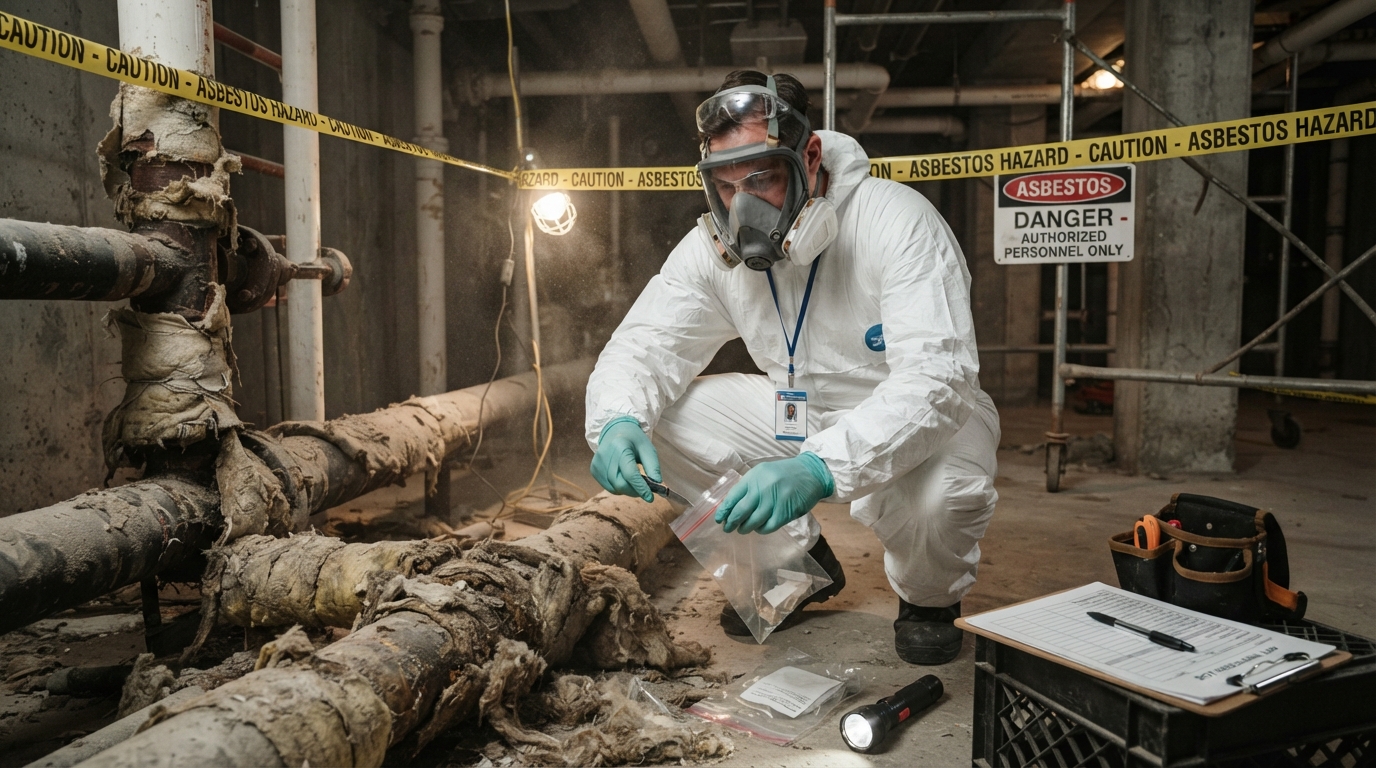
Asbestos-related hazards continue to be a major public health concern, especially in older buildings where aging construction materials may still contain asbestos. One term that has recently attracted attention is Asbestlint. Although it is not an official scientific or regulatory term, it is commonly used to describe fine asbestos-containing dust or lint-like fibers released when asbestos materials deteriorate or are disturbed.
Because these microscopic fibers are nearly invisible, many people may unknowingly inhale them during renovation, demolition, maintenance work, or even while living in older homes. Once inhaled, asbestos fibers can remain in the lungs for decades and are associated with serious illnesses such as asbestosis, mesothelioma, lung cancer, and pleural diseases.
In this comprehensive guide, you’ll learn what Asbestlint is, how it forms, where it is commonly found, who is most at risk, the symptoms of asbestos exposure, professional testing methods, safety regulations, and the safest ways to prevent exposure. Whether you’re a homeowner, contractor, property manager, or simply researching the topic, this article provides practical, easy-to-understand information to help you stay informed and safe.
What Is Asbestlint?
Asbestlint is an informal term used to describe tiny airborne asbestos fibers that resemble ordinary household lint or dust. These fibers are released when materials containing asbestos begin to deteriorate naturally or are disturbed during renovation, drilling, sanding, demolition, or maintenance work.
Unlike ordinary dust particles, asbestos fibers are microscopic and highly durable. They can remain suspended in the air for hours, making them easy to inhale without noticing.
For decades, asbestos was widely used in construction because it offered excellent resistance to heat, fire, electricity, and chemicals. It was commonly added to:
- Pipe insulation
- Ceiling tiles
- Roofing sheets
- Vinyl floor tiles
- Cement boards
- Wall insulation
- Boilers
- Fireproof coatings
- Industrial equipment
When these products remain undamaged, they generally release very few fibers. However, once they become friable (easily crumbled), they may produce Asbestlint, increasing the risk of airborne exposure.
Difference Between Asbestlint and Asbestos
Many people assume Asbestlint and asbestos are the same thing, but there is an important difference.
| Feature | Asbestlint | Asbestos |
|---|---|---|
| Meaning | Fine dust or lint-like asbestos fibers | Naturally occurring mineral fiber |
| Appearance | Looks like dust or lint | Raw mineral used in building materials |
| Visibility | Usually invisible to the naked eye | Often hidden inside products |
| Risk | Airborne inhalation hazard | Hazard mainly when disturbed |
| Found In | Air after materials break down | Insulation, roofing, tiles, cement, pipes |
Simply put, asbestos is the material, while Asbestlint is the microscopic dust or fibers released from that material.
How Does Asbestlint Form?
Asbestlint develops when asbestos-containing materials begin releasing tiny fibers into the surrounding air. This can happen naturally over time or through physical disturbance.
Common causes include:
Aging Materials
Asbestos products become brittle as they age. Over several decades, insulation, ceiling panels, pipe lagging, and cement sheets slowly degrade, allowing fibers to escape.
Renovation Projects
Cutting, drilling, sanding, scraping, or removing older construction materials is one of the most common ways asbestos fibers become airborne.
Building Demolition
Demolition activities can release millions of microscopic asbestos fibers if appropriate containment procedures are not followed.
Water Damage
Leaks and excessive moisture weaken asbestos insulation and ceiling materials, making them easier to crumble.
Fire or Natural Disasters
Fires, earthquakes, storms, and floods can severely damage asbestos-containing structures, releasing hazardous fibers into the environment.
Where Is Asbestlint Commonly Found?

Asbestlint is most likely to be present in buildings constructed before asbestos restrictions were introduced in many countries.
Common locations include:
Residential Homes
Older homes may contain asbestos in:
- Attic insulation
- Ceiling coatings
- Vinyl flooring
- Roof shingles
- Pipe insulation
- Wall panels
Schools
Many schools built before the 1980s still contain asbestos materials in ceilings, boiler rooms, insulation systems, and flooring.
Hospitals
Older healthcare facilities often used asbestos because of its fire-resistant properties.
Industrial Facilities
Factories, manufacturing plants, warehouses, and power stations historically relied heavily on asbestos insulation.
Shipyards
Ships built during the twentieth century frequently contained asbestos around engines, boilers, and piping systems.
Commercial Buildings
Office buildings, shopping centers, hotels, and public buildings may also contain hidden asbestos materials that require careful management.
Types of Asbestos Linked to Asbestlint
Although people often refer to asbestos as a single material, there are six recognized asbestos minerals. Three of them were widely used in commercial construction.
Chrysotile (White Asbestos)
Chrysotile accounts for most asbestos used worldwide. It was commonly found in roofing materials, ceilings, insulation, brake linings, and cement products.
Amosite (Brown Asbestos)
Amosite is stronger and more heat-resistant than chrysotile. It was widely used in insulation boards, ceiling tiles, pipe insulation, and structural fireproofing.
Crocidolite (Blue Asbestos)
Often considered the most dangerous type, crocidolite produces extremely thin fibers capable of penetrating deep into lung tissue.
Other less common asbestos minerals include:
- Tremolite
- Anthophyllite
- Actinolite
All asbestos types can release hazardous airborne fibers if disturbed.
Who Is Most at Risk of Asbestlint Exposure?
Although anyone can be exposed, certain occupations and activities carry much higher risks.
People at greater risk include:
- Construction workers
- Demolition crews
- Electricians
- Plumbers
- HVAC technicians
- Roofers
- Car mechanics (older brake systems)
- Industrial workers
- Shipyard employees
- Firefighters
- Building inspectors
- DIY home renovators
- Maintenance staff
Family members may also experience secondary exposure when asbestos fibers are carried home on contaminated clothing, shoes, or work equipment.
How Does Asbestlint Exposure Happen?
Exposure usually occurs when microscopic asbestos fibers become airborne and enter the respiratory system.
Direct Exposure
This happens when a person works directly with asbestos-containing materials during:
- Renovation
- Demolition
- Maintenance
- Pipe repair
- Insulation replacement
Secondary Exposure
Workers may unknowingly bring asbestos fibers home on:
- Clothing
- Hair
- Shoes
- Tools
- Equipment
Family members can then inhale these fibers despite never working around asbestos themselves.
Environmental Exposure
People living near mines, demolition sites, or aging industrial facilities may also encounter airborne asbestos fibers under certain conditions.
Why Is Asbestlint Dangerous?
Unlike ordinary dust, asbestos fibers cannot be easily broken down or removed by the body.
After inhalation, microscopic fibers can become trapped deep within the lungs and surrounding tissues. Over time, they may trigger chronic inflammation, scarring, and cellular damage.
One of the greatest dangers is the long latency period. Many asbestos-related diseases develop 20 to 50 years after exposure, making early prevention essential.
Health risks associated with long-term exposure include:
- Asbestosis
- Mesothelioma
- Lung cancer
- Pleural plaques
- Pleural thickening
- Chronic respiratory problems
Another challenge is that asbestos fibers are invisible and odorless, meaning exposure often occurs without any immediate warning signs.
Signs and Symptoms of Asbestlint Exposure
One of the most concerning aspects of Asbestlint exposure is that symptoms usually do not appear immediately. Unlike many respiratory illnesses, asbestos-related diseases often take 20 to 50 years to develop after the initial exposure. This long latency period makes early prevention extremely important.
In the early stages, many people experience no symptoms at all. As damage to the lungs progresses, breathing problems and other health complications may gradually appear.
Common Symptoms Include
- Persistent dry cough
- Shortness of breath
- Chest pain or tightness
- Wheezing
- Fatigue
- Difficulty exercising
- Unexplained weight loss
- Clubbing of fingers (in advanced cases)
These symptoms can also be caused by other medical conditions, so they do not automatically mean asbestos exposure. However, anyone with a history of working around asbestos-containing materials should seek medical advice if these symptoms develop.
Symptoms Timeline After Asbestlint Exposure
One reason asbestos remains a serious occupational hazard is its unusually long latency period.
| Time After Exposure | Possible Effects |
|---|---|
| Immediately | Usually no symptoms |
| Months | Most people remain symptom-free |
| 10–20 Years | Early lung damage may begin |
| 20–40 Years | Asbestosis or pleural diseases may develop |
| 30–50 Years | Lung cancer or mesothelioma may appear |
Because symptoms often develop decades later, avoiding exposure today is the best long-term protection.
Health Risks and Diseases Linked to Asbestlint
When microscopic asbestos fibers remain trapped inside the lungs, they can trigger inflammation, tissue scarring, and permanent damage over time.
Asbestosis
Asbestosis is a chronic lung disease caused by long-term asbestos exposure. It leads to scarring of lung tissue, making breathing increasingly difficult.
Common symptoms include:
- Breathlessness
- Persistent coughing
- Reduced lung function
- Chest tightness
Unfortunately, the lung damage caused by asbestosis cannot be reversed.
Mesothelioma
Mesothelioma is a rare but aggressive cancer affecting the lining of the lungs, abdomen, or heart. It is strongly associated with asbestos exposure.
Early symptoms may include:
- Chest pain
- Persistent cough
- Difficulty breathing
- Fluid around the lungs
- Fatigue
Lung Cancer
People exposed to asbestos have a significantly higher risk of lung cancer, particularly if they also smoke.
Symptoms may include:
- Chronic cough
- Coughing up blood
- Chest pain
- Weight loss
- Shortness of breath
Pleural Plaques and Pleural Thickening
Asbestos exposure can also cause thickening or scarring of the pleura—the protective lining surrounding the lungs. While some people experience no symptoms, severe cases may reduce lung capacity and make breathing uncomfortable.
How Professionals Test for Asbestlint

Because asbestos fibers are microscopic, visual inspection alone cannot confirm their presence. Professional testing is the safest and most reliable way to determine whether a material contains asbestos.
Air Monitoring
Air testing measures the number of airborne asbestos fibers in a building. It is commonly performed before, during, and after asbestos removal projects to ensure the environment is safe.
Bulk Material Sampling
Small samples are carefully collected from suspected insulation, floor tiles, ceiling panels, roofing materials, or pipe coverings and sent to accredited laboratories for analysis.
Only trained professionals should collect these samples, as disturbing asbestos-containing materials may release additional fibers.
PCM Testing
Phase Contrast Microscopy (PCM) is commonly used to count airborne fibers.
Advantages
- Fast results
- Cost-effective
- Suitable for workplace air monitoring
Limitations
- Cannot identify fiber type
- Cannot distinguish asbestos from non-asbestos fibers
TEM Testing
Transmission Electron Microscopy (TEM) provides much more detailed laboratory analysis.
Benefits include:
- Identifies asbestos fiber type
- Detects extremely small fibers
- Higher accuracy than PCM
Because of its precision, TEM is often used when confirmation is required.
What to Do If You Suspect Asbestlint
If you believe you’ve discovered asbestos-containing material, remain calm and avoid disturbing it.
Step 1: Stop Work Immediately
Do not drill, cut, scrape, sand, or break the material.
Step 2: Restrict Access
Keep family members, employees, or visitors away from the area until it has been inspected.
Step 3: Avoid Cleaning
Do not sweep, vacuum, or use compressed air. These actions can release more airborne fibers.
Step 4: Contact a Licensed Asbestos Professional
Arrange for professional inspection and laboratory testing.
Step 5: Follow Expert Recommendations
Depending on the results, the material may be left undisturbed, encapsulated, repaired, or professionally removed.
Safe Removal Process
Removing asbestos safely requires specialized equipment, training, and strict safety procedures.
Professional asbestos abatement typically follows these steps:
- Site inspection and risk assessment
- Sealing the work area with containment barriers
- Using negative air pressure systems
- Workers wearing approved respirators and protective suits
- Wet removal methods to reduce airborne dust
- HEPA vacuum cleaning
- Air clearance testing
- Safe transportation and disposal at licensed hazardous waste facilities
Attempting DIY asbestos removal is strongly discouraged because it can significantly increase exposure.
Legal Regulations and Safety Standards
Many countries have strict regulations governing asbestos handling and removal.
Several organizations provide guidance and safety standards, including:
- World Health Organization (WHO) – Recommends eliminating asbestos-related diseases through exposure prevention.
- Occupational Safety and Health Administration (OSHA) – Establishes workplace exposure limits and safety requirements in the United States.
- Environmental Protection Agency (EPA) – Regulates asbestos management, demolition, and environmental protection.
- National Institute for Occupational Safety and Health (NIOSH) – Conducts research and publishes workplace safety recommendations.
Regulations vary by country, so property owners and contractors should always follow applicable local laws before beginning renovation or demolition work.
Modern Alternatives to Asbestos
Today, safer materials provide many of the same performance benefits without the serious health risks associated with asbestos.
Common alternatives include:
- Fiberglass insulation
- Mineral wool (rock wool)
- Cellulose insulation
- Ceramic fiber insulation
- Polyurethane foam
- Calcium silicate boards
- High-performance cement composites
These materials offer excellent fire resistance and insulation while reducing health hazards.
Common Myths vs Facts About Asbestlint
| Myth | Fact |
|---|---|
| Only large amounts are dangerous. | Even small exposures should be avoided. |
| You can identify asbestos by sight. | Laboratory testing is required. |
| Old asbestos is always safe. | Damaged or deteriorating materials can release fibers. |
| DIY removal saves money. | Improper removal greatly increases exposure risks. |
| Ordinary dust masks provide enough protection. | Certified respirators are required for asbestos work. |
Asbestlint Safety Checklist
Before working in an older building, remember these safety practices:
- ✔ Assume older materials may contain asbestos until tested.
- ✔ Arrange professional inspections before renovations.
- ✔ Never disturb suspected asbestos materials unnecessarily.
- ✔ Wear appropriate personal protective equipment when required.
- ✔ Avoid sweeping or vacuuming suspected asbestos dust.
- ✔ Hire licensed asbestos removal professionals.
- ✔ Dispose of asbestos waste according to local regulations.
- ✔ Keep family members away from contaminated areas.
- ✔ Follow workplace safety procedures and training.
- ✔ Stay informed about asbestos regulations in your region.
Frequently Asked Questions
1. What is Asbestlint?
Asbestlint is an informal term describing microscopic asbestos fibers or lint-like dust released from damaged asbestos-containing materials.
2. Is Asbestlint dangerous?
Yes. If asbestos fibers become airborne and are inhaled, they may increase the risk of serious diseases such as asbestosis, mesothelioma, and lung cancer.
3. Where is Asbestlint commonly found?
It may be present in older homes, schools, hospitals, factories, shipyards, warehouses, and commercial buildings containing asbestos insulation, ceiling tiles, roofing materials, or pipe coverings.
4. Can I identify Asbestlint by looking at it?
No. Asbestos fibers are microscopic and cannot be reliably identified without professional laboratory testing.
5. How is Asbestlint tested?
Professionals use air monitoring, bulk material sampling, PCM analysis, and TEM laboratory testing to identify asbestos fibers.
6. Can I remove asbestos myself?
DIY removal is not recommended. Improper handling can release dangerous fibers and increase health risks. Always use licensed asbestos professionals.
Final Thoughts
Although Asbestlint is not an official technical term, it highlights a very real concern: the release of microscopic asbestos fibers from aging or damaged asbestos-containing materials. These invisible fibers can remain airborne for long periods and may pose serious long-term health risks if inhaled. Understanding where Asbestlint is found, how exposure occurs, and the importance of professional testing and removal empowers homeowners, workers, and property managers to make safer decisions. By following recommended safety practices, complying with regulations, and relying on qualified asbestos professionals, you can significantly reduce exposure risks and help protect both your health and the health of those around you.