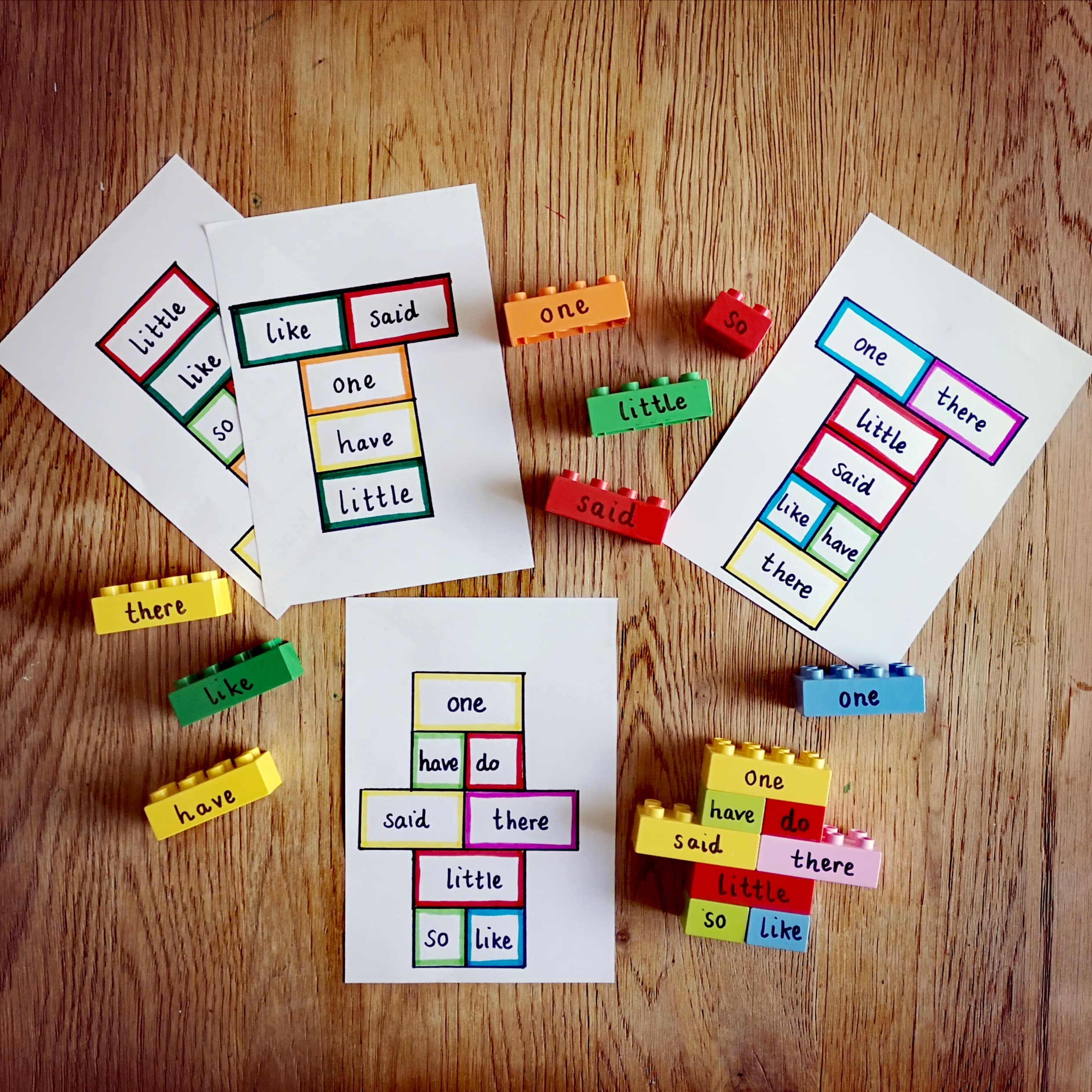
The early years of childhood are critical for language development and literacy growth. During this stage, children begin to recognise sounds, identify letters, and connect spoken language with written words. Developing these foundational skills early can significantly influence future reading success. This is why phonics activities for preschoolers are widely recognised as one of the most effective ways to support early literacy development in a fun and engaging manner.
Rather than relying solely on worksheets or memorisation, phonics activities introduce learning through games, songs, storytelling, and hands-on experiences. These enjoyable experiences help preschoolers understand how letters and sounds work together while building confidence in reading and communication. When phonics instruction is presented through play-based learning, children are more likely to stay engaged and develop a positive attitude toward reading.
Why Phonics Is Important for Early Reading Development
Phonics is the method of teaching children how letters represent sounds and how those sounds combine to form words. It provides a structured pathway that helps young learners decode unfamiliar words and develop reading fluency over time.
Without a strong understanding of phonics, children may struggle to recognise word patterns or connect spoken language with written text. Early phonics instruction lays the groundwork for reading comprehension, spelling, and vocabulary development.
Benefits of phonics learning include:
- Improved letter recognition
- Stronger pronunciation skills
- Better reading confidence
- Enhanced spelling ability
- Greater vocabulary growth
| Phonics Skill | Reading Benefit |
| Letter Recognition | Easier word identification |
| Sound Awareness | Improved decoding skills |
| Word Building | Increased reading fluency |
| Pronunciation | Better communication |
| Vocabulary Development | Stronger comprehension |
Summary of this section:
Phonics provides the foundation for successful reading development. By helping children understand the relationship between letters and sounds, it prepares them for more advanced literacy skills. Early exposure to phonics creates confidence and encourages a lifelong interest in reading.
Creating a Fun Learning Environment for Phonics Practice
Preschool children learn best when they feel relaxed, curious, and engaged. A positive learning environment encourages exploration and allows children to develop literacy skills naturally through play.
Parents and educators do not need elaborate setups to create effective phonics learning experiences. Simple and enjoyable activities often produce the best results.
A supportive phonics environment should include:
- Colourful alphabet materials
- Interactive learning games
- Storybooks
- Flashcards
- Music and songs
Characteristics of an Effective Learning Space
- Safe and comfortable
- Free from distractions
- Rich in visual learning materials
- Encouraging and positive
- Adapted to the child’s interests
Summary of this section:
An engaging environment helps preschoolers associate learning with enjoyment. When children feel comfortable and motivated, they participate more actively and retain information more effectively. Positive experiences contribute to stronger literacy development.
Letter Sound Treasure Hunts
Young children enjoy exploring and discovering new things. A letter sound treasure hunt combines movement, curiosity, and phonics learning into one exciting activity.
Parents can hide objects around the room that begin with a specific letter sound and encourage children to find them.
Examples include:
- Ball for the /b/ sound
- Cat for the /c/ sound
- Fish for the /f/ sound
- Toy car for the /t/ sound
Benefits of Treasure Hunt Activities
- Strengthens sound recognition
- Encourages active participation
- Improves memory retention
- Develops observation skills
- Makes learning enjoyable
Summary of this section:
Treasure hunts transform phonics instruction into an interactive adventure. Children learn to connect sounds with real-world objects while developing stronger recognition skills. The combination of movement and learning helps improve engagement and retention.
Using Songs and Rhymes to Reinforce Letter Sounds
Music is a powerful learning tool for preschoolers. Songs and rhymes naturally capture children’s attention and make it easier for them to remember information.
Phonics songs introduce letter sounds through repetition and rhythm, helping children absorb concepts without feeling pressured.
Popular phonics song activities include:
- Alphabet songs
- Sound-matching songs
- Nursery rhymes
- Action songs
- Rhyming games
| Activity Type | Learning Benefit |
| Alphabet Songs | Letter recognition |
| Rhyming Songs | Sound awareness |
| Action Songs | Engagement |
| Sound Chants | Pronunciation practice |
| Musical Games | Memory development |
Summary of this section:
Songs and rhymes make phonics learning enjoyable and memorable. Through repetition and rhythm, children strengthen sound recognition and pronunciation skills. Music-based learning also encourages active participation and enthusiasm.
Storytelling Activities That Build Phonics Awareness
Storytelling introduces children to language patterns, vocabulary, and sound relationships in a natural context. Stories provide opportunities to highlight specific sounds and encourage children to identify words that begin with particular letters.
Interactive storytelling can be especially effective because it combines listening, speaking, and phonics development.
Storytelling activities may include:
- Repeating key sound words
- Identifying beginning sounds
- Predicting rhyming words
- Acting out stories
- Sound-based picture discussions
Choosing the Right Storybooks
Look for books that feature:
- Repetitive sound patterns
- Rhyming text
- Clear illustrations
- Simple vocabulary
- Engaging characters
Summary of this section:
Storytelling supports phonics development while also encouraging imagination and language growth. Children learn to recognise sound patterns within meaningful contexts. This approach helps strengthen both literacy and communication skills.
Hands-On Letter Building and Word Creation Games
Preschoolers often learn best through tactile experiences. Hands-on activities allow children to physically manipulate letters and explore how sounds combine to form words.
Letter-building games provide valuable opportunities for active learning.
Popular activities include:
- Magnetic letter matching
- Alphabet puzzles
- Playdough letter creation
- Letter block games
- Simple word-building exercises
Benefits of Hands-On Learning
| Activity | Skill Developed |
| Letter Puzzles | Recognition |
| Playdough Letters | Fine motor skills |
| Magnetic Letters | Word formation |
| Sorting Games | Sound identification |
| Word Building | Early reading |
Summary of this section:
Hands-on activities make abstract phonics concepts more concrete and accessible. Children gain a deeper understanding of letters and sounds when they can physically interact with learning materials. This promotes stronger engagement and retention.
Incorporating Daily Phonics Practice Into Preschool Routines
Consistency plays a crucial role in phonics development. Short daily activities are often more effective than occasional long sessions because they reinforce learning gradually and naturally.
Parents can easily integrate phonics into everyday routines without creating additional stress.
Simple daily opportunities include:
- Reading together before bedtime
- Identifying sounds during walks
- Singing phonics songs
- Playing sound games during meals
- Reviewing letters during playtime
Summary of this section:
Daily practice helps children build phonics skills steadily over time. Small and consistent learning moments often produce stronger results than intensive study sessions. Routine exposure strengthens confidence and familiarity with sounds and letters.
Supporting Long-Term Reading Success Through Early Phonics Skills
Phonics is only the beginning of a child’s literacy journey, but it provides a foundation upon which future reading success is built. Children who develop strong phonics skills often find it easier to transition into independent reading and comprehension activities.
Long-term benefits include:
- Improved reading fluency
- Better spelling skills
- Stronger vocabulary
- Increased confidence
- Greater academic readiness
Summary of this section:
Early phonics instruction creates lasting advantages that extend beyond preschool. The skills children develop today support future academic achievement and lifelong literacy development. Strong foundations contribute to greater reading confidence and success.
Final Takeaway
Phonics activities provide preschoolers with enjoyable and meaningful opportunities to develop essential early reading skills. Through songs, storytelling, games, hands-on experiences, and daily practice, children can build strong foundations in letter recognition, sound awareness, and word formation.
SAP Books are the educational resources designed to support young learners through engaging and structured approaches that encourage literacy development, confidence, and a lifelong love of learning.
Frequently Asked Questions (FAQs)
1. Why are phonics activities important for preschoolers?
Phonics activities help preschoolers understand how letters and sounds work together to form words. This understanding is essential for early reading development and helps children build confidence as they begin their literacy journey. Consistent phonics practice also supports vocabulary and communication skills.
2. How often should preschoolers participate in phonics activities?
Short daily phonics activities are usually more effective than occasional long sessions. Even ten to fifteen minutes of focused practice can reinforce important skills and improve retention. Consistency helps children become more familiar with sounds and letter patterns.
3. Can phonics activities be incorporated into everyday routines?
Yes, many phonics activities can be included naturally throughout the day. Parents can practise sounds during storytime, sing phonics songs, or identify letter sounds while shopping or travelling. These simple interactions make learning enjoyable and meaningful.
4. What types of phonics activities do preschoolers enjoy most?
Many preschoolers enjoy activities that involve movement, music, storytelling, and hands-on exploration. Games such as treasure hunts, rhyming activities, and letter-building exercises are particularly effective because they combine learning with fun. Engaging activities encourage active participation.
5. How do phonics activities support future reading success?
Phonics helps children develop the decoding skills needed to read unfamiliar words independently. As they become more confident with sounds and letter patterns, reading becomes easier and more enjoyable. These early literacy foundations contribute to stronger academic performance in later years.