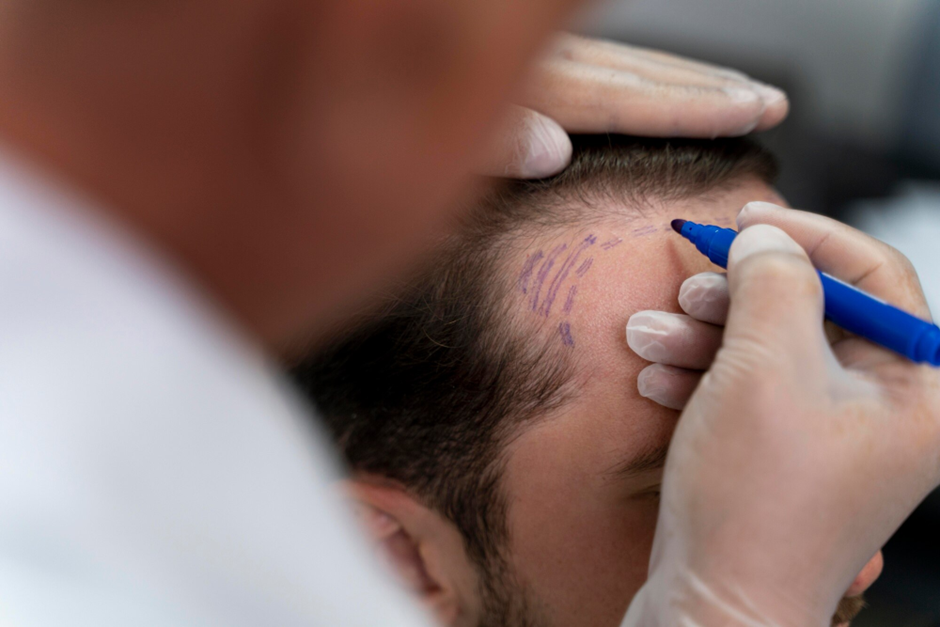
Undergoing a DHI hair transplant in Sydney is a significant step towards restoring hair density and confidence. Direct Hair Implantation (DHI) is a refined hair transplant technique known for its precision and natural-looking results. While the procedure itself is minimally invasive, understanding the recovery process is essential for achieving optimal outcomes. In some cases, patients may also explore complementary options such as scalp micropigmentation (SMP) in Sydney to enhance overall appearance during or after recovery.
Understanding DHI Hair Transplant Recovery
DHI hair transplant recovery involves several stages, each contributing to the success of the procedure. Since the technique uses a specialised implantation tool to place hair follicles directly into the scalp, it minimises trauma to surrounding tissues and often results in faster healing compared to traditional methods.
However, like any hair restoration procedure, proper aftercare and patience are crucial for achieving the best results.
Immediate Post-Procedure Phase (First 24–48 Hours
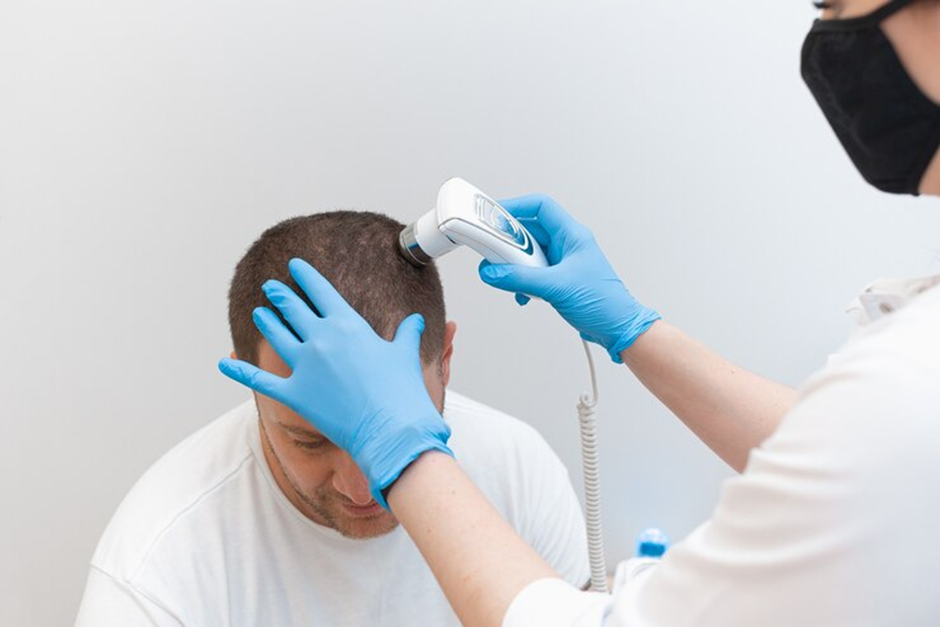
In the first couple of days following a DHI hair transplant in Sydney, patients may experience:
- Mild redness and swelling in the treated areas
- Slight discomfort or sensitivity in the scalp
- Formation of tiny scabs around implanted follicles
Patients are typically advised to:
- Avoid touching or scratching the scalp
- Keep the head elevated while resting
- Refrain from washing the hair unless instructed by the clinic
- Avoid strenuous activities and exposure to heat or sunlight
This initial phase is critical for protecting newly implanted grafts and ensuring they remain secure.
Early Healing Stage (First Week)
During the first week, the scalp begins to heal more noticeably. Patients may observe:
- Reduction in redness and swelling
- Formation and gradual shedding of small scabs
- Mild itching as the scalp heals
Clinicians usually provide specific washing instructions to help remove scabs gently without dislodging grafts. Proper hygiene is important to prevent infection and support healing.
By the end of the first week, most visible signs of the procedure begin to subside, allowing patients to return to normal routines.
Shedding Phase (Weeks 2–4)
One of the most important stages in the recovery process is the shedding phase, often referred to as “shock loss.” During this period:
- Transplanted hairs may fall out
- Existing hair around the treated area may temporarily thin
This stage can be concerning for some patients, but it is a normal and expected part of the hair growth cycle. The hair follicles remain intact beneath the scalp and will begin producing new hair in the following months.
Early Growth Phase (Months 2–4)
After the shedding phase, the transplanted follicles enter a resting period before new hair growth begins. Patients may notice:
- Slow emergence of fine, thin hair
- Gradual improvement in hair density
- Uneven growth patterns, which are temporary
Consistency in aftercare and patience are essential during this stage, as visible progress can vary between individuals.
Active Growth Phase (Months 4–9)
Hair growth becomes more noticeable during this period. Patients can expect:
- Thicker and stronger hair strands
- Improved coverage in previously thinning areas
- More uniform hair growth
By this stage, the results of the DHI hair transplant in Sydney become increasingly evident, contributing to a fuller and more natural appearance.
Final Results (9–12 Months And Beyond)
Full results typically develop within 9 to 12 months after the procedure. At this stage:
- Hair density and thickness reach their optimal level
- The hair blends naturally with existing strands
- Styling and grooming become easier
Some patients may continue to see improvements beyond the one-year mark as hair matures further.
Role Of Scalp Micropigmentation (SMP)
For individuals seeking additional enhancement, scalp micropigmentation (SMP) in Sydney can complement the results of a DHI transplant. SMP involves applying pigment to the scalp to create the appearance of fuller hair or increased density.
It can be particularly useful for:
- Creating the illusion of thicker hair during early recovery stages
- Enhancing density in areas with finer regrowth
- Improving overall scalp appearance for a more uniform look
Combining SMP with DHI can provide a comprehensive solution for hair restoration.
Aftercare Tips For Optimal Recovery
Proper aftercare plays a vital role in ensuring successful results. Patients are generally advised to:
- Follow all post-procedure instructions provided by the clinic
- Use gentle, recommended shampoos and hair care products
- Avoid smoking and excessive alcohol consumption
- Maintain a healthy diet to support hair growth
- Protect the scalp from direct sun exposure
Adhering to these guidelines helps protect transplanted follicles and promotes healthy regrowth.
Potential Side Effects And Considerations
While DHI is considered safe, some temporary side effects may occur, including:
- Redness or swelling
- Mild discomfort or tightness
- Temporary numbness in the treated area
These effects usually resolve within a few days to weeks. Patients should contact their clinician if they experience unusual symptoms or prolonged discomfort.
Importance Of Follow-Up Care
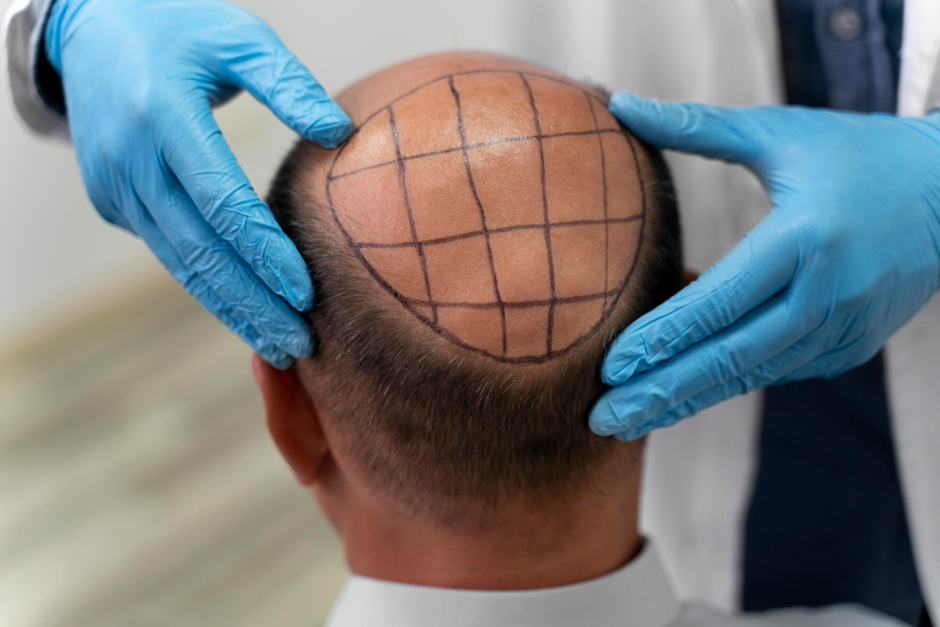
Regular follow-up appointments allow clinicians to monitor progress and address any concerns. These visits may include:
- Assessment of healing and hair growth
- Adjustments to aftercare routines
- Recommendations for additional treatments if needed
Clinics offering DHI hair transplant in Sydney often provide ongoing support to ensure patients achieve the best possible results.
Conclusion
The recovery process after a DHI hair transplant in Sydney involves several stages, from initial healing to long-term hair growth. While the procedure offers precise and natural-looking results, patience and proper aftercare are essential for success.
Understanding each phase—from early healing to final results—helps patients manage expectations and stay committed to their treatment journey. For those seeking additional enhancement, scalp micropigmentation (SMP) in Sydney can complement the transplant and improve overall hair density appearance.
With the right approach, professional guidance, and consistent care, patients can achieve lasting improvements in hair density, confidence, and overall appearance.