The strange thing about modern vacations is that people often spend half the trip trying to recover from the pace of normal life. Phones keep buzzing, work messages sneak into breakfast, and crowded accommodations somehow make “getting away” feel louder than staying home. A lot of travelers have started noticing that problem more clearly lately. They still want scenery and activities, but many also want quiet space, slower mornings, and enough distance from routine to actually feel rested before heading back home.
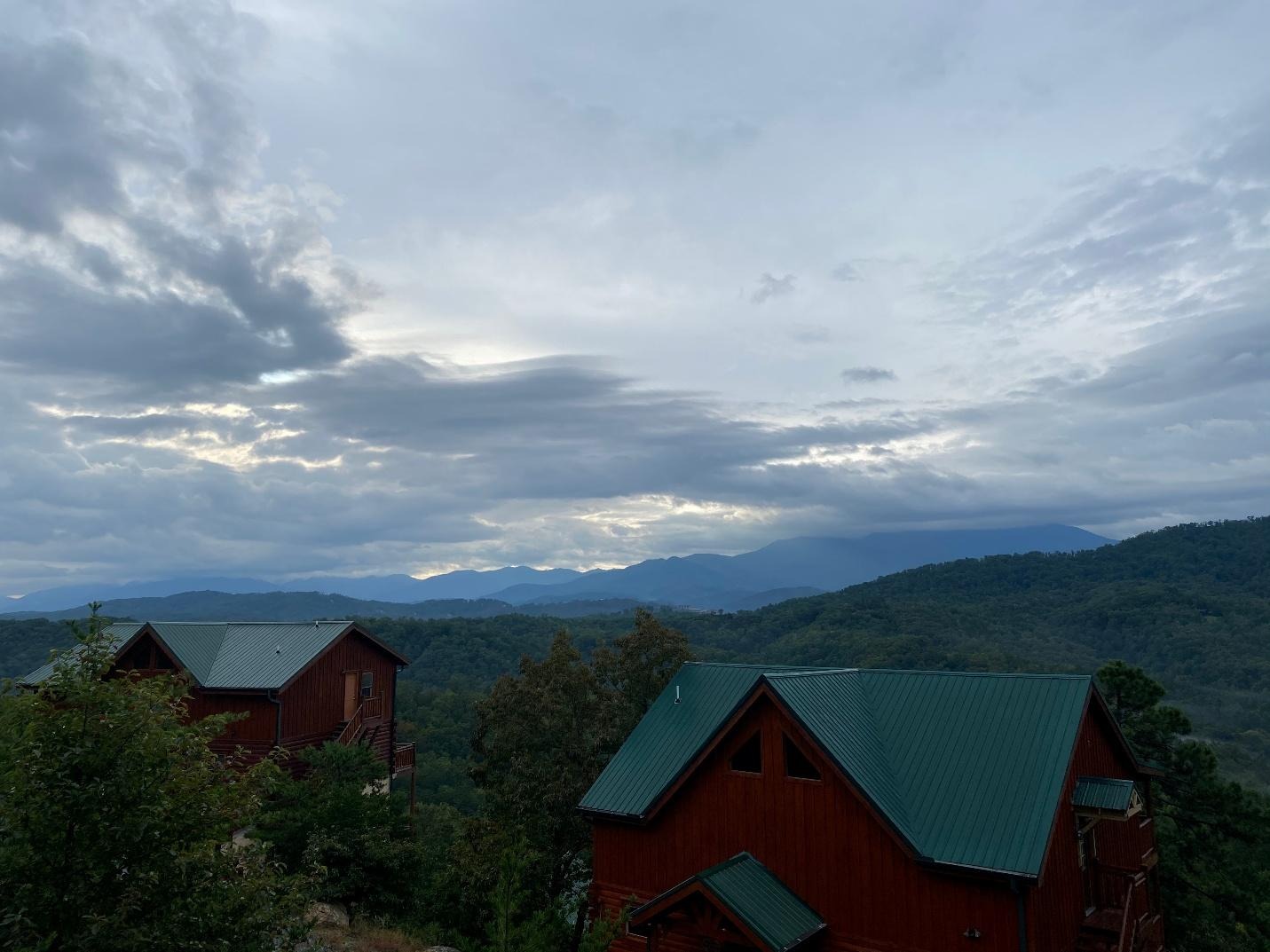
That is part of why places like Wears Valley continue attracting travelers who are tired of packed tourist areas and overly scheduled trips. The area offers mountain views, privacy, outdoor activities, and cabin stays that feel removed from the usual rush without feeling isolated from everything else nearby. Travelers can spend a day hiking, sitting outside with coffee, or simply doing very little at all without feeling pressured to constantly move from one attraction to another. For a lot of people, that balance feels more valuable now than nonstop entertainment.
Mountain Retreats Feel More Personal Than Traditional Vacations
One reason mountain travel stays popular is that the experience feels flexible. Travelers are not locked into rigid schedules or crowded tourist routines every hour of the day. Some people spend entire mornings outside watching fog move through the hills while others plan hiking trips, scenic drives, or quiet evenings indoors. Both approaches fit naturally into the same kind of trip.
That slower rhythm appeals to people who already spend most of their year rushing between work, errands, screens, and crowded spaces. Modern life stays noisy almost all the time. Even vacations can start feeling strangely exhausting once airports, long lines, and traditional, crowded stays enter the picture. Mountain retreats offer something simpler without making travelers give up comfort entirely.
A cabin in Wears Valley appeals to travelers more because it creates space that people often cannot find during regular travel. Families spread out more comfortably. Staying at a resort like HearthSide at the Preserve offers travelers what is otherwise missing in their day-to-day routines: comfort, privacy, and a quiet peace. Couples get privacy without isolation. Groups can gather together without constantly sharing cramped hallways or busy lobbies. The atmosphere feels calmer almost immediately after arriving.
Travelers Are Prioritizing Privacy More Than Before
Privacy became a bigger part of travel decisions over the last several years. Travelers still enjoy attractions, restaurants, and sightseeing, but many prefer returning somewhere quiet afterward instead of crowded buildings filled with constant noise. That preference shaped the growth of mountain rentals in a pretty noticeable way.
Traditional accommodations often place hundreds of guests inside the same property, which works fine for certain kinds of trips. But scenic vacations usually feel different when travelers have outdoor decks, larger living areas, and private surroundings instead of hearing luggage wheels rolling down hallways late at night.
There is also more freedom involved. People can cook meals if they want, spend long evenings outdoors, or simply slow down without feeling watched or rushed. Small comforts start mattering more once travelers realize how little personal space exists in most daily routines back home.
Remote work also changed expectations around travel. Some people now combine work with longer scenic stays because flexible schedules allow them to remain connected while still spending time somewhere quieter. Mountain retreats fit that lifestyle naturally because the environment itself encourages a slower pace without completely disconnecting people from modern convenience.
Scenic Travel Helps People Step Outside Routine
A lot of vacations today are planned almost too carefully. Travelers book activities weeks in advance, organize restaurant reservations through apps, and map every hour of the trip before even leaving home. By the time the vacation actually begins, the experience sometimes feels more like managing another schedule than relaxing.
Mountain retreats interrupt that pattern a little. The scenery itself changes how people move through the day. Travelers tend to spend more time outdoors, wake up slower, and stop worrying about filling every free hour with activities. There is room for quieter moments without anyone feeling like they wasted the trip.
That flexibility matters because people increasingly value experiences that feel natural instead of overly manufactured. Travelers still want comfort and entertainment, obviously, but they also want trips that leave room for spontaneity. Sitting outside during a cool evening or driving through mountain roads without a strict schedule often becomes more memorable than carefully planned attractions.
Even families seem drawn toward that slower pace now. Parents already spend enough time coordinating school schedules, work obligations, and endless notifications during everyday life. Vacations that reduce some of that pressure feel more appealing than trips built entirely around rushing from one activity to another.
Comfort Became Part of the Experience
Travelers used to treat accommodations like a place to shower and sleep before heading back out again. That changed quite a bit. Now the stay itself matters almost as much as the destination. Mountain cabins feel connected to the trip in ways standard accommodations often do not. Large windows, quiet mornings, fireplaces, wooded views, and outdoor spaces shape the mood of the vacation even when people are doing absolutely nothing.
Those slower moments usually stick in memory longer than packed itineraries. A lot of travelers also define luxury differently now. Privacy, calm surroundings, and flexible space feel more valuable.
Mountain Retreats Offer Something Hard to Replicate
There are plenty of vacation destinations that offer attractions, restaurants, and nightlife. Mountain retreats continue standing out because they offer space to slow down without forcing travelers into isolation. That balance is difficult to recreate elsewhere.
People still want activities nearby, but they also want room to breathe a little. Modern routines already feel crowded enough between work deadlines, phone notifications, and everyday stress that never really shuts off completely. Scenic retreats create distance from that environment without demanding travelers disconnect entirely from comfort or convenience.
That is probably why mountain travel continues to stay relevant even as travel habits change constantly. Travelers are not only chasing scenery. They are looking for experiences that feel calmer, more personal, and easier to settle into for a few days. Mountain retreats manage to offer that in a way many traditional vacations still struggle to match.