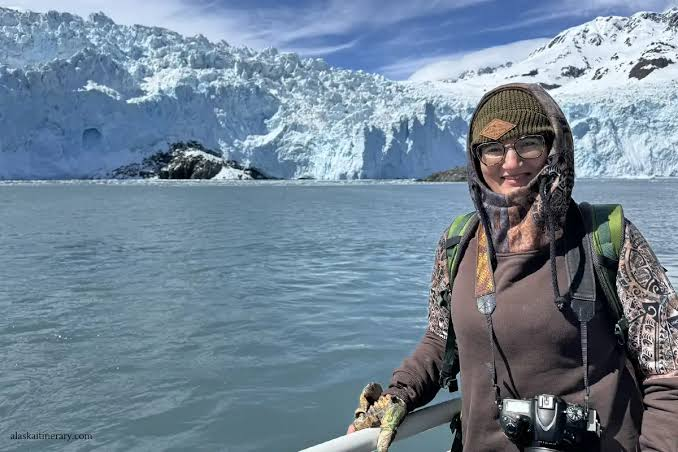
Alaska, fondly known as the Last Frontier, remains an ultimate dream destination for travelers worldwide. Its colossal glaciers, dramatic mountain ranges, and rich wildlife populations offer an unparalleled escape into the true wild. However, executing a seamless vacation to a state that spans more than twice the size of Texas requires a unique logistical strategy. Unlike standard holiday destinations, an Alaskan journey demands careful preparation, thorough planning, and a deep respect for natural elements. If you are stepping foot in this majestic wilderness for the very first time, here are the essential tips to ensure your northern adventure is both safe and unforgettable.
Understand the True Scale of the Frontier
One of the most common surprises for first-time visitors is realizing just how massive Alaska truly is. Traveling between major regions can take an entire day, and a significant portion of the state is completely disconnected from the standard highway system. Remote wild landscapes like the Bristol Bay watershed or Katmai National Park and Preserve require air taxis, floatplanes, or boats to access.
When mapping out your vacation itinerary, resist the temptation to conquer the entire state in a single week. Instead, focus your exploration on one or two distinct geographical areas—such as the Interior or the Kenai Peninsula—and always factor in extra travel time to cushion against unpredictable transit delays.
Master the Art of Layering
Alaskan weather is notoriously mercurial. You might easily begin a summer morning under bright sunshine and comfortable warmth, only to face wind-driven rain and sharp temperature drops by the afternoon. Because regional microclimates shift rapidly, packing clothing that can adapt with you is non-negotiable.
The secret to outdoor comfort across the state is a strict three-layer system:
- Base Layer: Lightweight, moisture-wicking synthetic fabrics or merino wool that keep moisture away from your skin. Avoid wearing cotton completely, as it retains moisture and chills the body quickly.
- Middle Layer: An insulating fleece jacket or down pullover designed to effectively trap vital body heat.
- Outer Layer: A high-quality, fully waterproof and windproof shell jacket paired with technical rain pants.
Complete your packing list with durable, broken-in waterproof hiking boots, warm thermal socks, a beanie, and gloves—even if your departure is scheduled for the peak of July.
Book Accommodations and Excursions Early
Because the peak Alaskan travel window is relatively brief—concentrated heavily between June and August—the global demand for premium lodging, guided tours, and transportation infrastructure is exceptionally competitive. Essential services like rental cars, regional train tickets, and glacier cruises routinely book out nearly a year in advance.
Securing your reservations early is especially vital if you plan on targeting remote national parks for wildlife viewing. For instance, if your dream is to watch iconic brown bears catch migrating salmon at close range, you must coordinate and finalize your Katmai National Park lodging months ahead of time. Backcountry wilderness lodges and authorized park cabins feature strictly limited capacities, meaning early action is the only way to safeguard your spot.
Prioritize Wildlife Safety and Ethics
Encountering grand land animals like moose, caribou, and grizzly bears is a primary highlight for any tourist. However, keeping yourself safe and keeping the local wildlife wild means maintaining a strict, defensive distance at all times. Utilizing a high-quality spotting scope or a camera equipped with a telephoto lens allows you to capture breathtaking frames without ever crowding or stressing the animal.
When hiking backcountry trails, always travel in active groups, converse loudly or call out periodically to prevent startling an animal, and carry bear spray in an easily accessible hip holster. Additionally, if you are camping or picnicking, store food and all scented personal items inside approved bear-resistant food containers to prevent attracting wildlife to human spaces.
Embrace a Flexible Mindset
In America’s grandest wilderness, nature always calls the final shots. Regional bush flights can be temporarily grounded by dense coastal fog, and marine tours can be shifted by choppy water conditions. The most successful travelers in Alaska are those who approach their itinerary with patience and flexibility. View logistical alterations not as an annoying disruption, but as an authentic element of traveling through a living, untamed ecosystem. By pacing your journey and remaining open to spontaneous route adjustments, you will truly connect with the raw majesty of the Last Frontier.